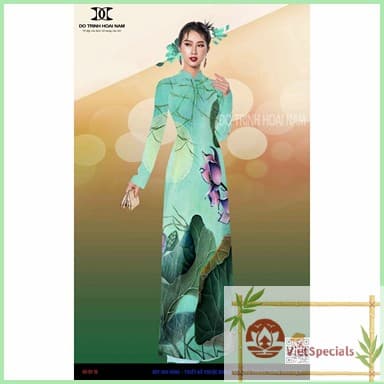
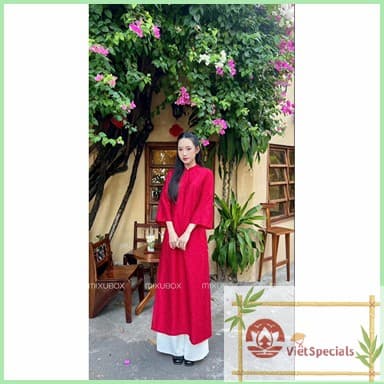
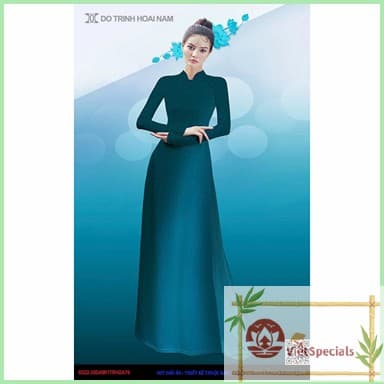
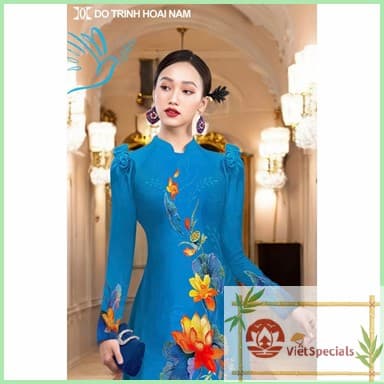
Timeless Elegance: Ao Dai Fashion Trends for You
Nghia Tran
January 23, 2026 • 6 min read
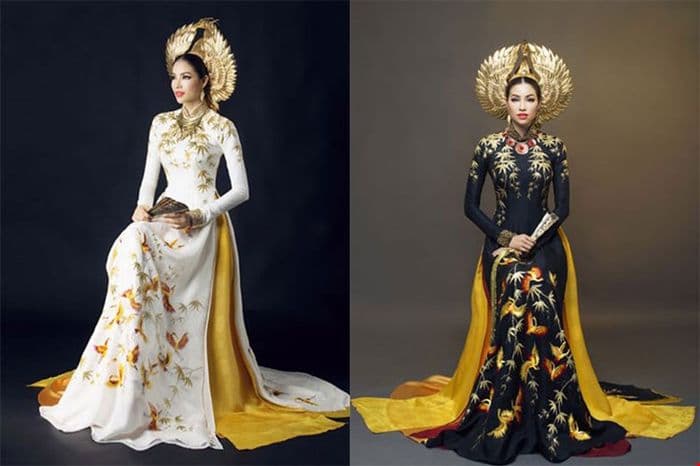
- Modern interpretations of the ao dai balance traditional aesthetics with innovative textile technologies.
- Globalization and cross-cultural exchanges have catalyzed the ao dai's adaptation into contemporary fashion markets.
- Sustainability considerations are increasingly influencing material selection and production techniques in ao dai manufacturing.
- The integration of digital design and manufacturing processes enhances precision and customization in ao dai tailoring.
- Preservation of cultural identity remains central amid evolving fashion trends and commercialization of the ao dai.
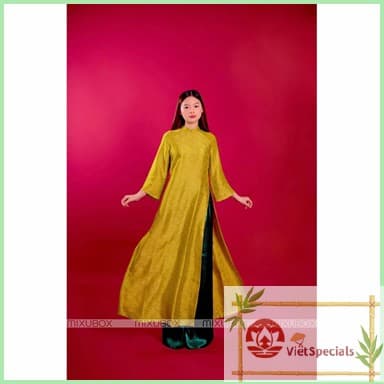
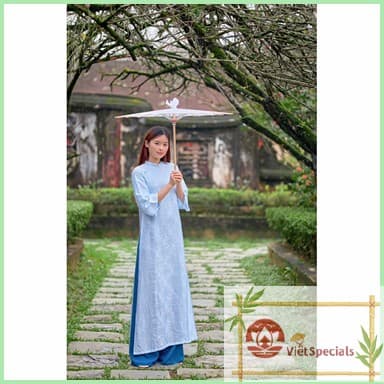
The ao dai, an emblematic garment of Vietnamese heritage, exemplifies a unique synthesis of cultural continuity and evolving sartorial innovation. Historically rooted in centuries-old textile traditions and social symbolism, the ao dai has transitioned from a localized traditional costume to a globally recognized fashion artifact. This editorial provides a comprehensive analysis of current ao dai fashion trends, viewed through lenses spanning material science, design innovation, and international cultural dynamics.
Historical Foundations and Evolution of the Ao Dai
Origins and Traditional Significance
The ao dai's lineage dates back to the Nguyễn dynasty era, representing a garment design predicated on simplicity and elegance through its long tunic and fitted silhouette. The fundamental structure enabled mobility while symbolizing social stratification and cultural identity within Vietnamese society. Constructed typically from silk and other natural fibers, early ao dai garments were imbued with regional embroidery techniques and color codifications signaling occasion and wearer status. This foundation established functional parameters that continue to influence contemporary design.
Transition Through the 20th Century
Throughout the 20th century, the ao dai underwent significant stylistic modifications influenced by socio-political changes and shifting aesthetic paradigms. The mid-century period saw refinements in tailoring precision and textile diversification, including the introduction of synthetic fibers to accommodate greater durability and ease of maintenance. Concurrently, female empowerment movements contributed to subtle adaptations in fit and length, reflecting evolving gender norms while preserving the garment's emblematic form.
Contemporary Design Innovations
Material Science and Fabric Technology
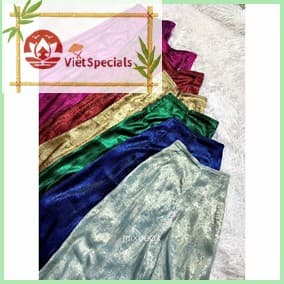
Recent advances in fiber technology and textile engineering have critically impacted ao dai production. Modern designers harness technical fabrics such as microfiber blends and performance silks, which offer enhanced breathability, stain resistance, and color fastness without compromising traditional aesthetics. Incorporation of natural dyes derived from sustainable sources aligns with environmental imperatives, demonstrating an intersection between modern materiality and ecological responsibility.
Digital Design and Customization
The advent of computer-aided design (CAD) systems has revolutionized ao dai pattern making and tailoring precision. Digital modeling facilitates exact measurements and virtual draping simulations, allowing bespoke creations that adhere to anatomical nuances while streamlining production workflows. Moreover, digital embroidery technologies enable complex motif integration with reduced manual labor, expanding creative possibilities and ensuring higher reproducibility standards across different manufacturing scales.
Globalization and Market Dynamics
Cultural Exchanges and Adaptations
The globalization of fashion has expanded the ao dai's presence into international markets, where cross-cultural influences have precipitated stylistic hybridizations. Elements of Western and East Asian fashion have intermingled with traditional ao dai silhouettes, resulting in innovative cuts, fabric combinations, and accessorization patterns. These adaptations facilitate broader market appeal while raising discourse on cultural authenticity and intellectual property rights in garment design.
Commercialization and Economic Impacts
The commercialization of the ao dai reflects complex economic dynamics within textile and fashion industries. Mass production techniques catapult the garment from artisan craftsmanship to scalable consumer product, affecting labor markets primarily in regions with established textile sectors. Concurrently, niche markets centered on haute couture ao dai cultivate premium pricing models. This bifurcation prompts examination of supply chain transparency, fair labor practices, and competitive differentiation strategies in global apparel markets.
Sustainability and Ethical Considerations
Environmental Implications of Ao Dai Production
As the fashion industry intensifies its scrutiny on environmental footprints, ao dai manufacturing confronts challenges related to chemical usage, water consumption, and waste generation. Innovations in waterless dyeing technologies and recyclable fabric development are integral to mitigating ecological impacts. Furthermore, life-cycle assessments (LCAs) provide empirical frameworks for quantifying sustainability metrics, facilitating informed design and production choices aligned with circular economy principles.
Preserving Cultural Heritage Amid Modernization
Balancing innovation with cultural preservation necessitates dialogue among designers, cultural custodians, and consumers. Initiatives such as intellectual property protection for traditional motifs and educational programs on ao dai heritage serve to maintain its cultural significance. Ethical consumerism trends also empower artisans by valorizing craftsmanship and authentic cultural narratives, thereby sustaining intangible cultural heritage in an era of rapid modernization.
Expert Analysis & FAQ
How do modern material innovations enhance the functional aspects of the ao dai without diminishing its traditional aesthetic?
Modern materials such as performance silk blends and microfiber fabrics incorporate properties like moisture-wicking, increased tensile strength, and wrinkle resistance that significantly enhance wearer comfort and garment longevity. These technical improvements are carefully selected and engineered to replicate the elegant drape and sheen of traditional silk, preserving the ao dai's visual identity. Furthermore, advancements in dyeing techniques ensure color vibrancy and fastness aligned with cultural color symbolism, maintaining the garment's aesthetic authenticity.
In what ways has digital design technology transformed the ao dai manufacturing process?
Digital design technology, through CAD and virtual prototyping, enables detailed customization with high precision, reducing material waste and labor inefficiencies. Digital embroidery machines allow motif replication and complex design articulation at scale while upholding artistic quality. This integration permits faster turnaround times in bespoke tailoring, enhances pattern consistency, and facilitates iterative design modifications driven by consumer feedback, thus bridging artisan craftsmanship with industrial scalability.
What are the primary sustainability challenges in ao dai production, and how are they being addressed?
The main sustainability challenges include the environmental impact of traditional silk cultivation, water-intensive dyeing processes, and post-consumer textile waste. Industry stakeholders are increasingly adopting low-impact cultivation methods, advancing water-saving or waterless dye technologies, and promoting biodegradable or recyclable fabrics. Additionally, life-cycle assessment tools provide transparent benchmarks guiding sustainable practices. There is also a growing movement toward slow fashion emphasizing durability and cultural longevity over disposability.
How is globalization influencing the cultural authenticity of the ao dai?
Globalization introduces intercultural elements that can dilute or enrich traditional designs. While this fosters creative hybridity and market expansion, it also raises concerns about appropriation and loss of cultural specificity. Protecting cultural heritage involves legal frameworks for intellectual property rights, collaborative partnerships with local artisans, and education efforts that contextualize the garment's cultural symbolism. Maintaining authenticity thus requires balancing innovation with respectful cultural stewardship.