What is Ao Dai? Discover Vietnam's Timeless Elegance
Nghia Tran
February 5, 2026 • 7 min read
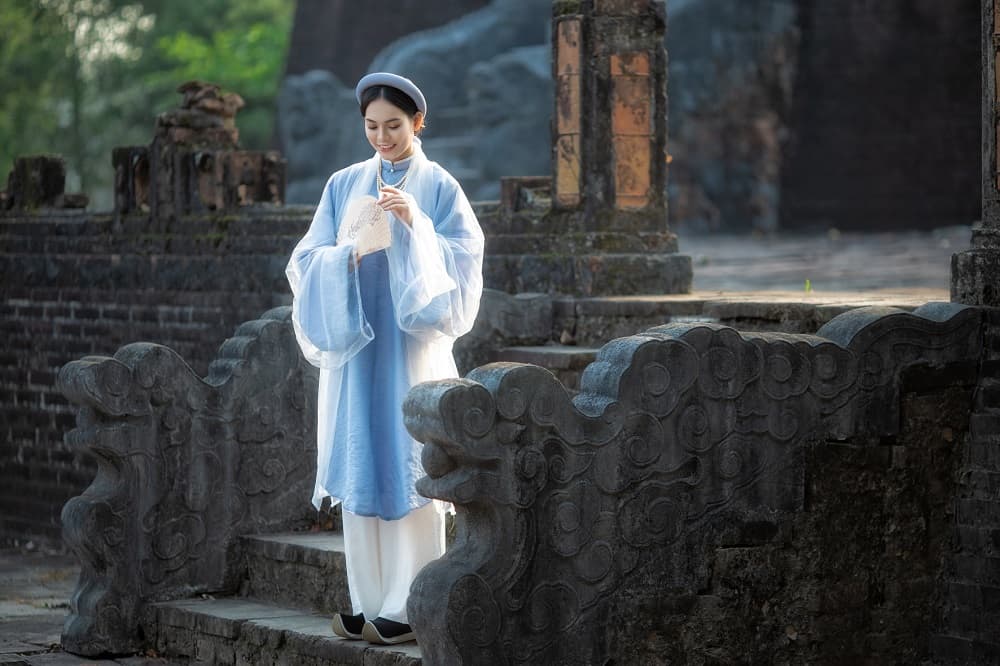
- Ao Dai represents a distinctive cultural artifact that integrates Vietnamese history, textile technology, and evolving fashion paradigms.
- The garment exemplifies a complex synthesis of traditional tailoring techniques and contemporary material science advancements.
- Understanding Ao Dai requires examination of its historical evolution, structural design, and socio-cultural implications within Vietnam and the global fashion context.
- Technical aspects of fabric selection and garment construction are central to its aesthetic and functional significance, informing broader garment science applications.
- The Ao Dai offers insights into cultural preservation amidst modernization and global fashion integration, highlighting adaptive design principles relevant to cross-disciplinary studies.
The Ao Dai is a quintessential Vietnamese garment that embodies a unique intersection of cultural identity, craftsmanship, and textile science. Its form, characterized by a fitted tunic extending over long pants, exhibits a nuanced tailoring structure that accentuates the human silhouette while promoting mobility and comfort. Originating centuries ago, the Ao Dai's design has undergone progressive refinements reflective of Vietnam's socio-political shifts and technological innovations in textile production. Historically, the Ao Dai functioned not only as everyday wear but also as a symbol of status and national pride. From a technical perspective, the Ao Dai is an exemplar of balancing traditional fabric manipulation techniques with the demands of contemporary aesthetics and multi-seasonal wearability.
Historical Evolution of Ao Dai
Origins and Traditional Significance
The Ao Dai traces its genesis to the Nguyen Dynasty, notably formalized in the 18th century, with antecedents potentially extending to earlier Chinese-influenced tunic styles. Initially, the garment was characterized by looser, more voluminous cuts, emphasizing modesty and status differentiation among social classes. As time progressed, the design integrated tighter tailoring principles, enhancing its form-fitting silhouette. The garment's symbolic importance was reinforced through its use in ceremonial contexts, court attire, and later, as school uniforms, embedding it deeply into Vietnam's collective cultural consciousness. This historical trajectory illustrates the garment's transformation from an aristocratic insignia to a democratized symbol of Vietnamese identity.
Evolution Through Political and Cultural Shifts
The 20th century marked significant alterations to Ao Dai's design, driven by colonial influences, nationalist movements, and global fashion trends. During French colonial rule, Western tailoring techniques and fabrics were introduced, prompting modifications in cut and textile selection. The 1930s modernization of Ao Dai, spearheaded by fashion designers such as Cat Tuong, incorporated slender forms and innovative darting methods to accentuate the female form. Post-1975, the garment experienced periods of decline and resurgence, corresponding with shifts in national policy and cultural openness. The Ao Dai's adaptation underscores the capacity of traditional clothing to serve as a medium for political expression as well as cultural continuity.
Structural and Technical Characteristics
Design Elements and Tailoring Techniques
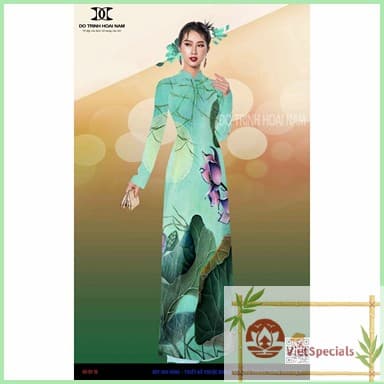
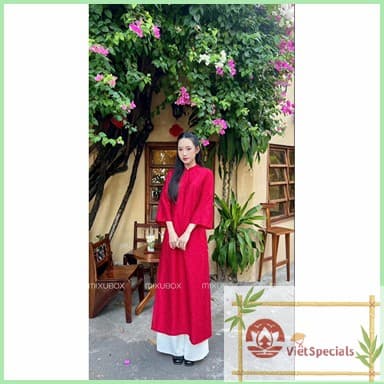
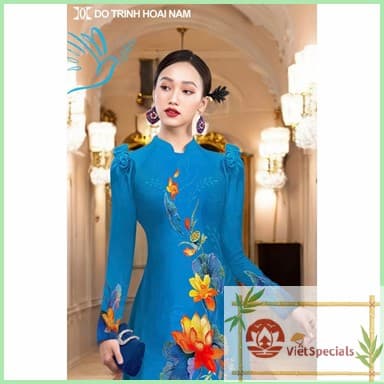
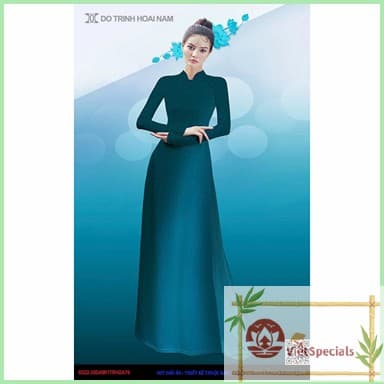
The Ao Dai consists primarily of a split tunic with high side slits (typically reaching above the waist) worn over wide trousers. Key design features include a mandarin collar, long fitted sleeves, and contoured darts aligned to the torso. Its cutting pattern employs asymmetry and precise measurements to facilitate a seamless fit that traces the body's curvature yet allows ease of movement. Advanced tailoring methods such as princess seams and strategic panel insertions are common, enabling the garment to maintain structural integrity while conforming to various body morphologies. Such complexity in tailoring reflects sophisticated garment engineering principles, positioning the Ao Dai at the intersection of aesthetic design and functional ergonomics.
Fabrication and Material Science Considerations
Selection of fabric profoundly impacts the Ao Dai's drape, durability, and wearer comfort. Historically, silk—valued for its tensile strength, natural sheen, and thermal properties—dominated material choices. Modern adaptations incorporate polyester blends, satin, or brocade, balancing maintenance, cost-efficiency, and visual appeal. Innovations in textile technology such as anti-wrinkle treatments and moisture-wicking finishes have been introduced in contemporary Ao Dai production to enhance practicality without undermining traditional aesthetics. Fabric weight and elasticity parameters must be meticulously calibrated to preserve the garment's silhouette and prevent deformation over prolonged wear. Consequently, the Ao Dai represents a living case study in applied textile science tailored to cultural garment requirements.
Cultural and Global Industry Implications
Ao Dai as Cultural Symbol and Identity Marker
Beyond its functional attributes, the Ao Dai conveys socio-cultural narratives about Vietnamese identity, femininity, and national heritage. The garment is prominently featured in official ceremonies, educational institutions, and fashion exhibitions, serving as a visual emblem of continuity amidst change. As tourism and international cultural exchanges expand, the Ao Dai introduces global audiences to Vietnam's sartorial distinctiveness. This positioning reinforces cultural diplomacy and heritage preservation objectives. Moreover, the garment's sustained popularity contributes to the reinforcement of traditional craft economies, engaging numerous small-scale artisans specialized in embroidery, dyeing, and tailoring within Vietnam's textile sectors.
Contemporary Fashion Integration and Market Dynamics
The Ao Dai's influence extends into the broader fashion industry, exemplifying successful integration of ethnic dress into contemporary style. Internationally, designers draw inspiration from its silhouette and fabric treatments, leading to cross-cultural design hybridizations that inform global apparel innovation. The garment's customization potential accommodates diverse consumer preferences, facilitating market segmentation by event type, age group, and gender. Economically, this fosters niche markets within luxury fashion segments and mass-produced clothing lines alike. Supply chain considerations for Ao Dai materials spotlight challenges such as maintaining authentic textile quality while scaling production. These dynamics underscore the Ao Dai's role as both a heritage artifact and a commercially viable product within fashion globalization processes.
Expert Analysis & FAQ
How does the Ao Dai embody the convergence of traditional craftsmanship and modern textile technology?
The Ao Dai serves as a platform where centuries-old tailoring methodologies coexist with contemporary textile innovations. Traditional hand-sewing and embroidery techniques are complemented by the use of technologically advanced fabrics possessing specific mechanical properties—such as elasticity, thermal regulation, and moisture management. This synthesis enhances the garment's durability and wearability while preserving its cultural authenticity. Research into fabric behavior and garment fit informs iterative design improvements, underscoring the Ao Dai as a model for integrating artisanal heritage with industrial textile practices.
What are the primary challenges in preserving the Ao Dai's authenticity in mass production?
Preserving authenticity in large-scale production entails maintaining fabric quality, precise tailoring, and cultural symbolism. Mass production often prioritizes cost reduction and faster turnaround, which can compromise intricate embroidery, bespoke fitting, and fabric selection critical to Ao Dai's traditional standards. Additionally, homogenization risks eroding the regional variations and artisan-specific nuances that define the garment's identity. Strategies to mitigate these challenges include implementing quality control protocols, employing skilled tailors within production lines, and adopting premium textile sourcing to balance scalability with heritage preservation.
In what ways does Ao Dai influence global fashion trends and design philosophies?
The Ao Dai's distinctive silhouette and fabric interplay contribute to global fashion dialogues surrounding aesthetic minimalism, ergonomics, and cultural fusion. Designers incorporate Ao Dai elements such as high collars, side slits, and layered tunics into contemporary collections, often in combination with disparate cultural motifs. This transposition facilitates a hybridized fashion language that respects tradition while expanding creative boundaries. Moreover, the garment's emphasis on form-fitting shape and material fluidity aligns with sustainability trends favoring timeless design over ephemeral fast fashion, positioning the Ao Dai as both stylistic inspiration and conceptual benchmark.
How does the regional variation within Vietnam affect the Ao Dai's design and fabric choices?
Vietnam's diverse climatic zones and cultural demographics foster regional variations in Ao Dai design and textile usage. Northern styles often favor thicker, warmer fabrics with subdued colors reflecting cooler temperatures and conservative aesthetics. Conversely, southern Ao Dai frequently feature lighter silks, vibrant patterns, and looser cuts better suited to tropical conditions. This geographical differentiation informs not only material selection but also decorative techniques like embroidery motifs and color symbolism tied to local customs. These regional distinctions enhance the garment's complexity and adaptability, reinforcing its status as a dynamic cultural object sensitive to environmental and social contexts.