Elevate Your Style: The Timeless Appeal of Ao Dai Fashion
Nghia Tran
February 5, 2026 • 6 min read
- Ao dai embodies a dynamic synthesis of historical tradition and contemporary design innovation, reinforcing its status as a symbol of cultural identity.
- The fabric technology and tailoring techniques employed in ao dai production reflect significant advances in textile science and ergonomic design.
- Globalization and cross-cultural exchanges have enhanced the versatility and market expansion of ao dai in the international fashion industry.
- The garment's structural adaptability enables functional and aesthetic versatility, making it suitable for diverse occasions and climates.
- Preservation of indigenous craftsmanship amid modern manufacturing processes is critical for sustaining the ao dai's authenticity and value.
The ao dai, a quintessential Vietnamese garment, remains an enduring emblem of cultural heritage and sartorial elegance more than a century after its inception. This editorial examines the ao dai from an industrial and scientific perspective, elucidating the factors responsible for its sustained global appeal. By assessing the textile innovations, design evolution, and international diffusion of the ao dai, this analysis contributes a comprehensive understanding of its role within contemporary fashion paradigms and cultural discourse.
Historical Evolution and Cultural Significance
Origins and Symbolism
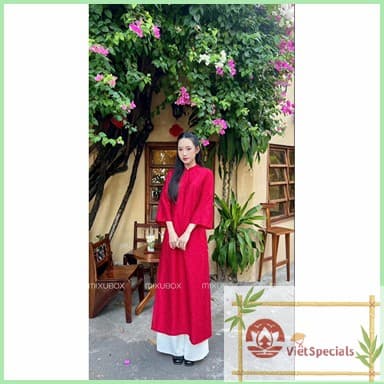
The ao dai's origins trace back to the Nguyễn dynasty period, where it evolved from earlier traditional tunics and robes. Its design incorporates both indigenous Vietnamese aesthetics and external influences from Chinese imperial attire and French colonial fashion, resulting in a distinctive silhouette characterized by its fitted bodice and flowing panels. Historically, the ao dai has functioned not merely as clothing but as a potent cultural symbol representing national identity, femininity, and social status. In various Vietnamese socio-political contexts, the garment served as both a medium of cultural preservation and a tool of modernization.
Transformation Through Time
The ao dai's evolution throughout the 20th and 21st centuries exemplifies the interplay between tradition and innovation. Modifications in sleeve length, collar style, and fabric choice have reflected changing social norms and technological capabilities. The post-colonial period witnessed a resurgence in traditional aesthetics combined with contemporary tailoring techniques, facilitating increased mobility and comfort. Furthermore, the garment's adaptation to modern lifestyles evidences a resilient design ethos that balances heritage and functional practicality.
Textile Science and Technological Advancements
Material Selection and Fabric Technology
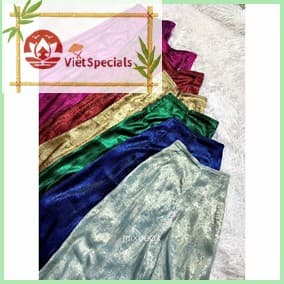
The selection of textiles for ao dai is pivotal in defining its aesthetic and functional qualities. Traditional materials such as silk and brocade offer luminescent qualities and fluid draping, enhancing the visual and tactile appeal of the garment. Recent advances have introduced blended fibers and synthetic textiles engineered for enhanced wrinkle resistance, elasticity, and breathability, thus addressing limitations of natural fabrics. The application of microencapsulation and nanotechnology in textile treatments has further augmented properties such as UV protection, antimicrobial performance, and colorfastness, elevating the garment's durability and wearer comfort.
Tailoring Methodologies and Ergonomic Design
Ao dai tailoring employs intricate techniques that emphasize silhouette precision and wearer ergonomics. The garment's cut, comprising a tight-fitting upper body with high slits on either side, requires advanced pattern making to accommodate anatomical movement while maintaining formality. Innovations in computer-aided design (CAD) have facilitated precise measurements and customization, improving fit consistency. Additionally, ergonomic considerations include airflow management and ease of movement, critical for wearer endurance during prolonged use in various climates.
Globalization and Market Dynamics
International Diffusion and Cultural Exchange
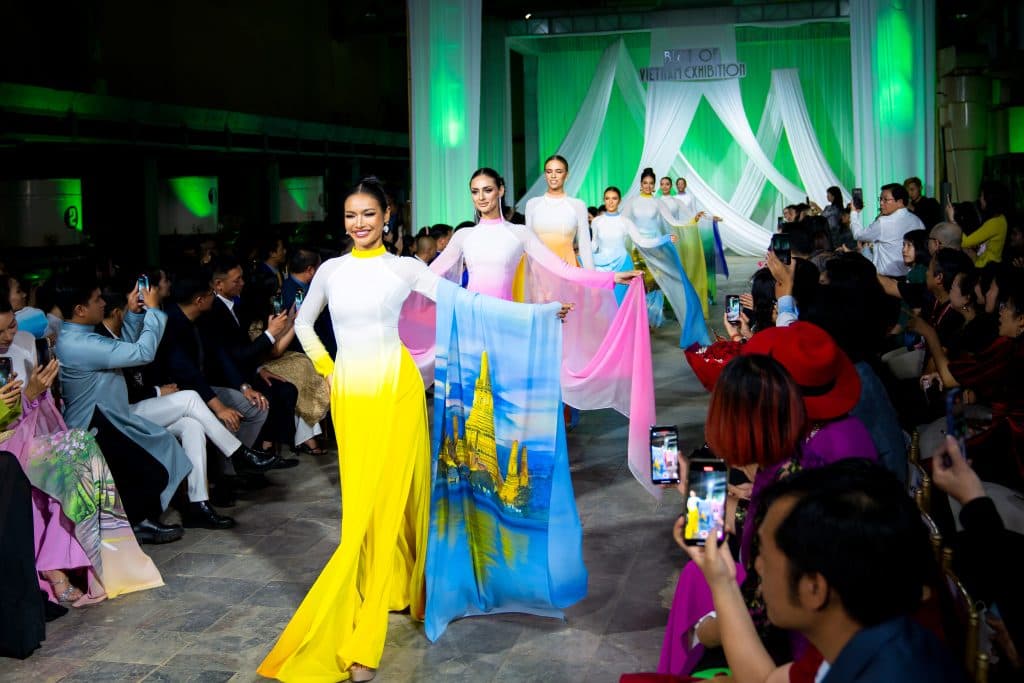
Globalization has expanded the ao dai's reach beyond Vietnamese communities, introducing it into international fashion circuits. This diffusion has resulted in intercultural reinterpretations that balance authenticity with global tastes. Fashion designers worldwide have integrated ao dai elements into collections, generating hybridized styles that maintain core characteristics while incorporating new aesthetics. Such cross-cultural adaptations have been facilitated by global media, diaspora networks, and international fashion events, enhancing the garment's visibility and acceptance.
Commercialization and Sustainable Practices
The international market for ao dai spans bespoke ateliers, mass production, and haute couture. Commercial scaling presents both opportunities and challenges, particularly regarding quality control and preservation of traditional craftsmanship. The adoption of sustainable sourcing, eco-friendly dyeing techniques, and fair labor practices has become integral to contemporary production, aligning the ao dai industry with global sustainability priorities. Moreover, intellectual property considerations emphasize the protection of cultural heritage against commodification and misappropriation, reinforcing ethical commercialization frameworks.
Design Versatility and Contemporary Applications
Formal and Casual Adaptations
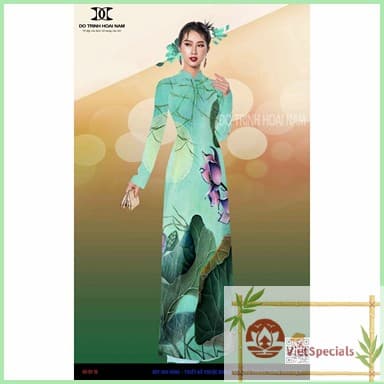
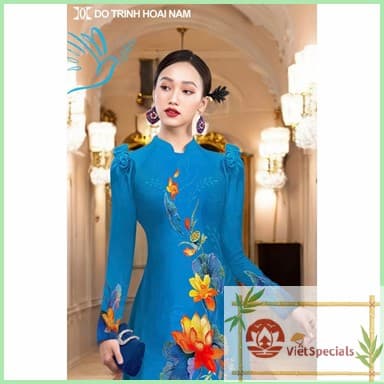
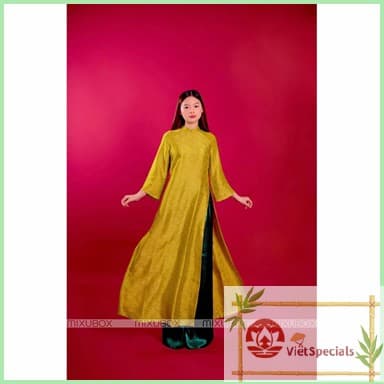
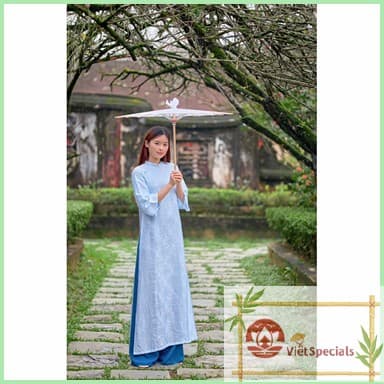
The ao dai's structural versatility enables its adaptation across a spectrum of social contexts, from formal ceremonies to casual wear. Variations in fabric weight, color palettes, and embellishments cater to differing occasions, climates, and generational preferences. For example, lightweight synthetic blends allow for more comfortable daily wear in humid environments, while luxurious silks and embroidery are favored in formal settings. This adaptability contributes to the ao dai's sustained relevance and functionality amidst evolving fashion demands.
Integration of Modern Aesthetics and Technology
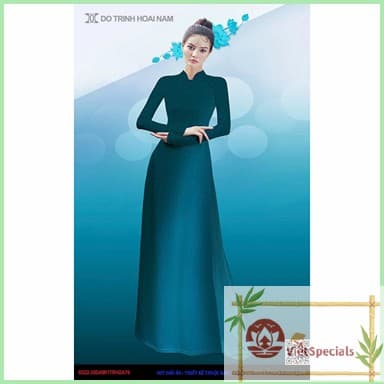
Contemporary designers increasingly incorporate modern aesthetics such as minimalism and geometric motifs into ao dai designs, reflecting broader trends in the global fashion industry. Technological integration extends to digital fabrication methods, including laser cutting and 3D printing for decorative components and patterning. These interventions enable precision, reduce waste, and allow experimentation with novel forms, bridging tradition with innovation. The resulting garments cater to a diversified consumer base seeking cultural authenticity infused with modern sensibilities.
Expert Analysis & FAQ
How does the ao dai maintain its cultural relevance amidst rapid fashion globalization?
The ao dai preserves cultural relevance by serving as a tangible link to Vietnamese heritage while simultaneously adapting form and function to contemporary contexts. Its design remains anchored in symbolic meaning, yet its materials and cuts evolve, accommodating global fashion trends and local environmental factors. This dynamic balance mitigates cultural obsolescence and allows the garment to function both as everyday attire and as a socio-political statement.
What are the technological innovations that have most influenced modern ao dai production?
Technological innovations impacting modern ao dai production include advanced textile treatments that enhance durability and comfort, CAD systems for tailored precision, and sustainable manufacturing processes reducing environmental impacts. Additionally, integration of synthetic fiber blends has expanded wearability, and digital fabrication techniques facilitate intricate detailing, collectively improving garment quality and market competitiveness while respecting traditional design principles.
In what ways does the ao dai's structural design embody ergonomic principles?
The ao dai's design incorporates ergonomic principles by optimizing the fit around the torso to balance aesthetic formality with freedom of movement. Its high side slits reduce constriction, while fabric selection addresses thermal regulation. Tailoring methodologies ensure alignment with anatomical contours, mitigating strain during dynamic activities. This convergence of function and fashion exemplifies a user-centered approach within traditional garment design.
How are sustainability and cultural authenticity balanced in contemporary ao dai manufacturing?
Sustainability and cultural authenticity are balanced through conscious material sourcing, preservation of handcrafting techniques, and ethical labor practices. While mechanization improves scalability, artisanship remains central to authentic detailing. Incorporation of eco-friendly dyes and recyclable fabrics aligns production with environmental standards, whereas intellectual property protections safeguard cultural symbols, ensuring that the ao dai's heritage is honored amidst modernization.