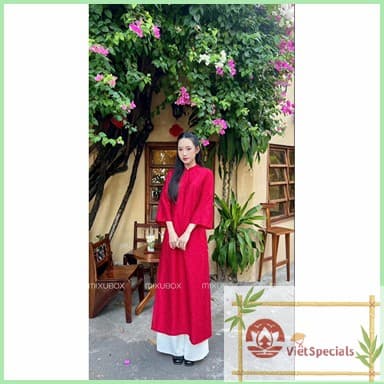
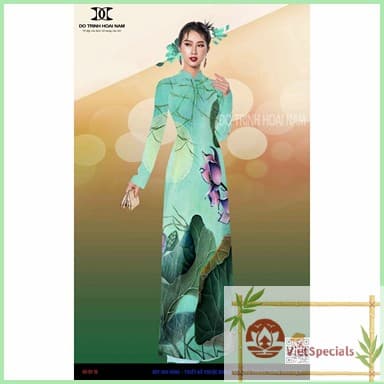
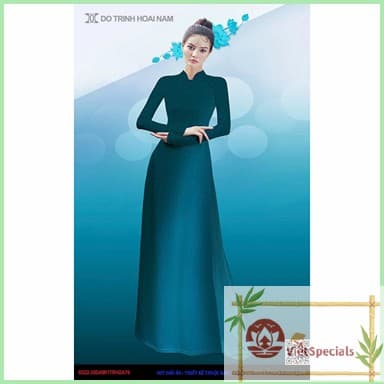
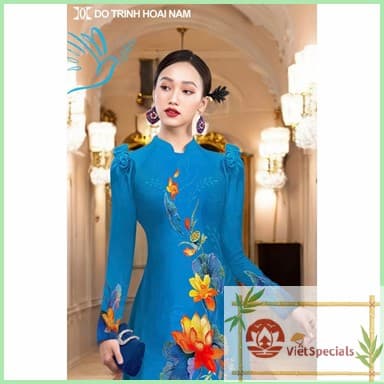
Embracing Elegance: The Rise of Ao Dai Ngu Than Style
Nghia Tran
January 23, 2026 • 7 min read
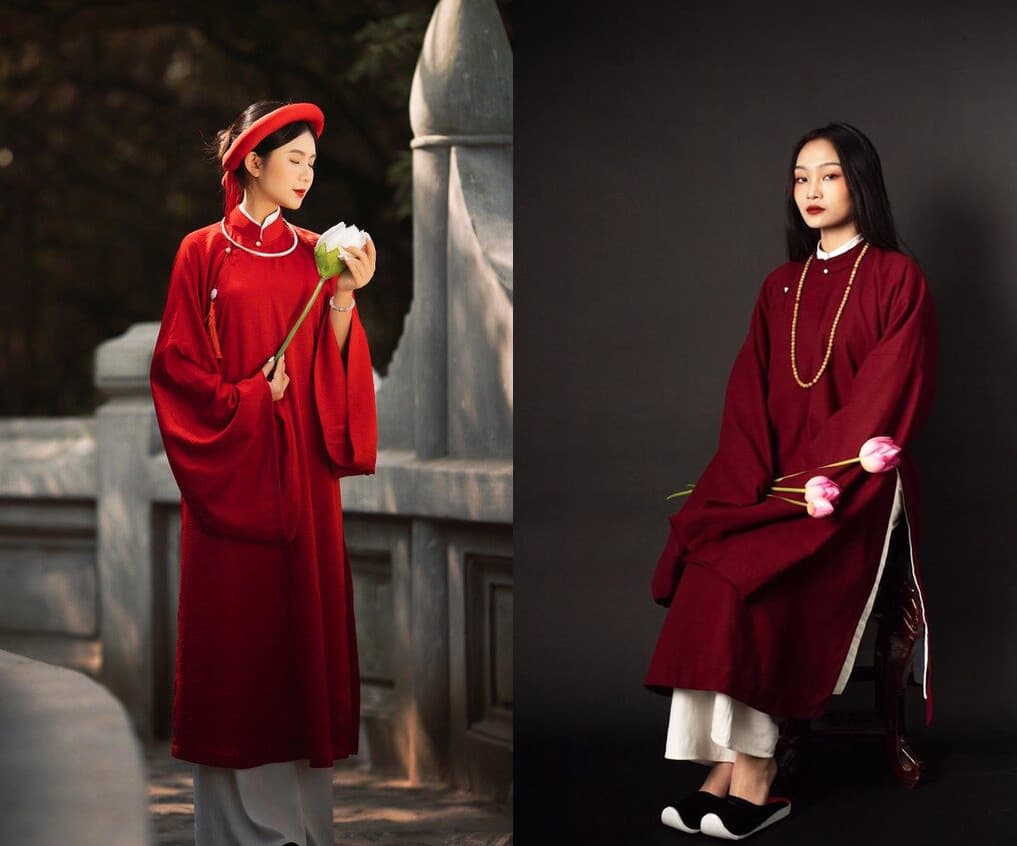
- Ao Dai Ngu Than represents a critical juncture in traditional Vietnamese garment evolution, blending historical authenticity with modern reinterpretations.
- Its structural complexity and symbolic design elements reflect nuanced craftsmanship and regional cultural influences.
- The resurgence of Ao Dai Ngu Than corresponds with global heritage fashion trends emphasizing authenticity and artisanal value.
- Synthetic and natural textile innovations have significant implications on the garment's aesthetics, durability, and wearer comfort.
- The style's increased international visibility facilitates cross-cultural dialogue and enhances Vietnam's cultural diplomacy through fashion.
Historical Context and Cultural Significance of Ao Dai Ngu Than
Origins and Evolution of Ao Dai Ngu Than
The Ao Dai Ngu Than, translating loosely as "five-paneled long dress," occupies a distinct place in the annals of Vietnamese sartorial history. Rooted in the traditional attire of northern Vietnam, it predates the more globally recognized two-panel Ao Dai variations commonly worn today. Historical records indicate that the Ngu Than style was predominantly worn by women of aristocratic or intellectual classes, especially during the Nguyễn Dynasty (1802–1945). The garment's five panels, strategically layered, not only serve aesthetic purposes but also embody symbolic meanings linked to harmony and balance within Vietnamese cosmology.
Its architecture—characterized by a front panel, back panel, and three side panels—distinguishes it from other Ao Dai variants. This design creates a silhouette that is simultaneously voluminous and structured, enabling freer movement while maintaining the garment's dignified formality. Over time, the Ao Dai Ngu Than adapted selectively, incorporating influences from successive political eras and evolving socio-cultural norms, while preserving its intrinsic identity.
Cultural Symbolism Embedded in Design Elements
A detailed analysis of the Ao Dai Ngu Than's design elements reveals intricate layers of cultural symbolism. The five-panel configuration not only facilitates dynamic wearability but also corresponds metaphorically to five key elements in traditional Vietnamese philosophy: metal, wood, water, fire, and earth. This symbolism extends beyond mere aesthetics, reinforcing the philosophical doctrine of balance and unity inherent in Vietnamese culture.
Embroidered motifs and fabric choices further accentuate this cultural depth. Traditional motifs often include flora native to the region, such as lotus and bamboo, which signify purity and resilience respectively. The interplay between panel structures and ornamentation creates a semiotic narrative that conveys social status, regional identity, and even personal virtues. As such, the Ao Dai Ngu Than acts as a wearable cultural text, emblematic of Vietnam's rich heritage and social stratification.
Technical Design and Textile Considerations
Construction Techniques and Pattern Engineering
The construction of Ao Dai Ngu Than requires sophisticated tailoring techniques that emphasize precision and structural integrity. Pattern engineering for five distinct panels necessitates advanced spatial reasoning and domain-specific knowledge in garment morphology. Unlike simpler two-panel Ao Dai, the Ngu Than's additional side panels demand meticulous seam alignments and reinforcement to preserve shape while allowing elasticity in movement.
Tailors employ both hand-stitching and machine-sewing methods to optimize finishing, particularly along the panel joints and openings. Seam placement is critical; improper alignment compromises both structural balance and wearer comfort. Furthermore, the garment often incorporates internal stiffening elements, such as interfacing or lightweight boning, to maintain the defined silhouette. These technical considerations underscore the specialized skill set required to produce authentic Ao Dai Ngu Than apparel.
Textile Materials and Their Impact on Functionality
Material selection profoundly influences the Ao Dai Ngu Than's aesthetic finish and functional performance. Traditionally, natural fabrics such as silk and fine cotton were preferred due to their breathability, sheen, and pliability. Silk, in particular, offers a chromatic depth and tactile smoothness, enhancing the garment's ceremonial gravitas. However, native silk production entails significant environmental and economic variables affecting cost and accessibility.
Contemporary adaptations have begun integrating synthetic and blended fibers to address durability and maintenance challenges. Fabrics like polyester blends increase wrinkle resistance and reduce garment degradation from sweat and exposure, albeit often at the expense of textile breathability. Innovative textile technologies, including micro-encapsulation for moisture management and anti-microbial finishes, have been experimented with, though their adoption within Ao Dai Ngu Than remains limited and selective, given the garment's traditional emphasis.
Global Industry Dynamics and Market Trends
Resurgence and Globalization of Heritage Garments
The global fashion landscape has seen intensified interest in heritage garments as conduits for cultural expression and sustainability. The Ao Dai Ngu Than exemplifies this phenomenon, reclaiming prominence in both domestic markets and international cultural exchanges. This resurgence is underpinned by socio-political factors, including an increased valuation of national identity amidst globalization and the rising consumer demand for artisanal, ethically produced goods.
Compatibility with international market demands, however, necessitates strategic recalibrations. Designers and manufacturers grapple with balancing authenticity and contemporary appeal, often modifying silhouettes and adopting novel textile solutions to attract younger demographics and diaspora communities. Increased representation in global fashion events, academic symposia on cultural garments, and digital marketing platforms has further entrenched the Ao Dai Ngu Than in the global heritage fashion conversation.
Economic and Sociocultural Implications of Ao Dai Ngu Than Production
The contemporary production of Ao Dai Ngu Than has multifaceted economic implications. Predominantly a labor-intensive craft, its manufacture sustains traditional artisan sectors within Vietnam, fostering local employment and preserving intangible cultural heritage. Furthermore, the garment's international diffusion serves as an informal vehicle of cultural diplomacy, indirectly stimulating tourism and ancillary markets including textile exports and cultural paraphernalia.
Conversely, challenges persist regarding scalability and intellectual property protection. Unauthorized mass-produced replicas undermine artisan livelihoods and quality standards, posing risks to authenticity and market trust. Efforts by governmental and industry stakeholders to codify traditional patterns and techniques via legal protections and UNESCO-style heritage recognitions are ongoing, aiming to reconcile economic growth with cultural conservation.
Expert Analysis & FAQ
What distinguishes Ao Dai Ngu Than from other Ao Dai styles at a technical level?
The Ao Dai Ngu Than is distinguished by its five-panel construction, which is substantially more complex than the conventional two-panel Ao Dai. Each additional panel introduces unique seam alignments and structural considerations requiring advanced tailoring techniques. This design increases the garment's volume and dynamic range of motion, distinguishing its silhouette and wearer experience. Furthermore, the symbolic interplay of panels with cultural philosophy is unique to this style, making it both a technical and semiotic artifact.
How do textile innovations impact the preservation and evolution of Ao Dai Ngu Than?
Textile innovations affect Ao Dai Ngu Than primarily through enhancements in durability, comfort, and maintenance. While traditional silk imparts cultural authenticity, synthetic blends address practical limitations such as wrinkle resistance and affordability for broader markets. However, the integration of advanced textile finishes must be balanced against maintaining traditional aesthetics and wearability criteria. Preservation efforts favor natural fibers for ceremonial use, while everyday versions may incorporate blends, illustrating a dual-track evolution informed by technological progress and cultural imperatives.
What are the primary challenges in scaling Ao Dai Ngu Than production for international markets?
Scaling production faces challenges including maintaining artisanal quality, protecting intellectual and cultural property rights, and addressing varied consumer expectations across global markets. The handcraft-intensive nature limits mass production potential without quality dilution. Furthermore, unauthorized reproductions compromise market integrity. International markets also demand adaptations in sizing, fabric performance, and styling, necessitating innovation that respects traditional design. Strategic partnerships and regulatory frameworks are under development to mitigate these concerns.
In what ways does Ao Dai Ngu Than contribute to Vietnam's cultural diplomacy?
Ao Dai Ngu Than functions as an emblematic expression of Vietnam's cultural heritage in international forums, such as fashion weeks, cultural exhibitions, and diplomatic events. Its display fosters intercultural dialogue and enhances Vietnam's soft power by promoting a narrative of craftsmanship, history, and identity. The garment's recognition facilitates tourism interest and elevates Vietnam's creative industries in global supply chains. Thus, the Ao Dai Ngu Than operates as both an artistic artifact and a strategic cultural asset in diplomacy.