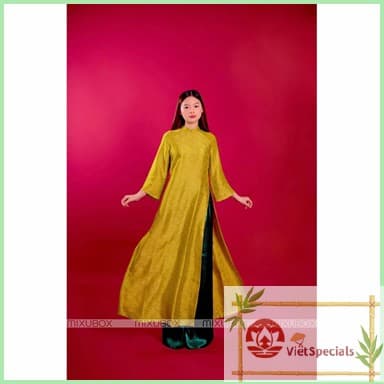
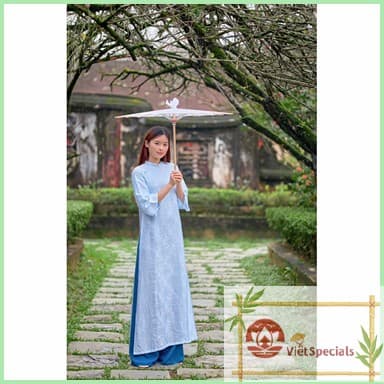
Modern Ao Dai: Elegant Styles for Any Occasion
Nghia Tran
January 23, 2026 • 7 min read
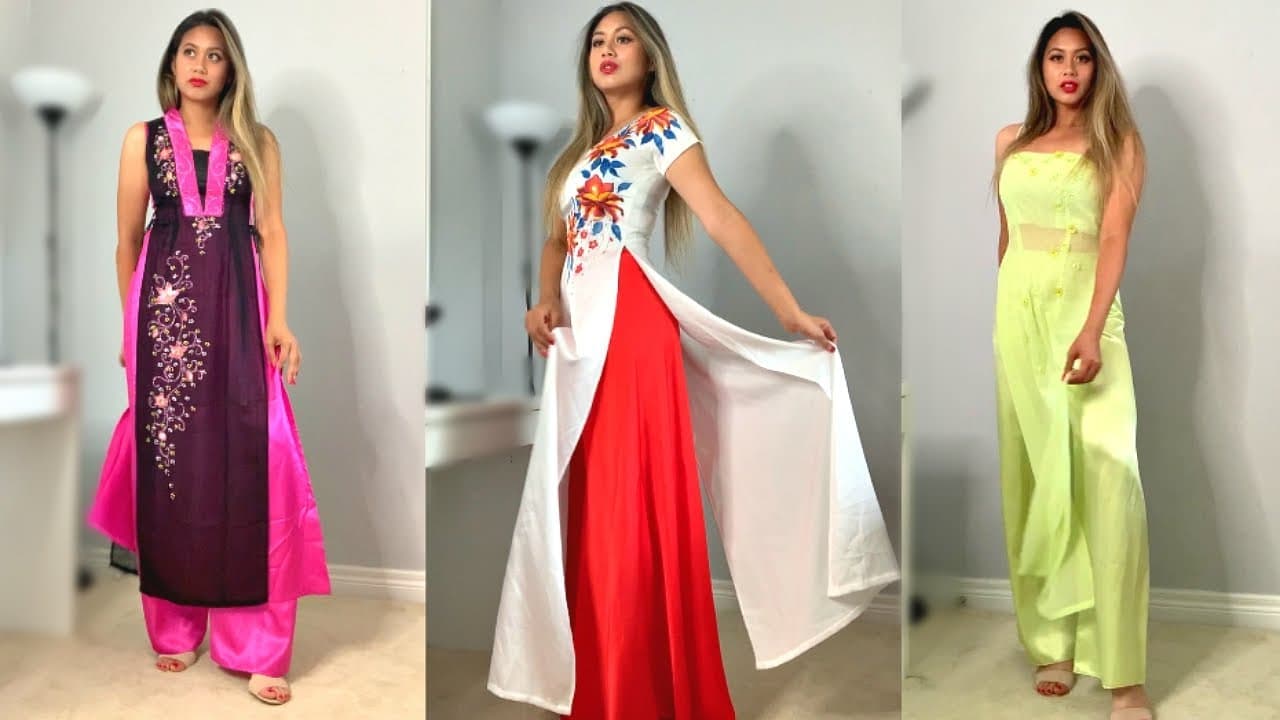
- Integration of traditional and contemporary design elements enhances the versatility of modern ao dai across social and formal contexts.
- Advanced textile technologies and fabric innovations optimize comfort, durability, and aesthetic appeal.
- Customization through digital patterning and tailored fittings improves garment precision and wearer satisfaction.
- The global fashion industry increasingly acknowledges modern ao dai as a symbol of cultural identity and progressive design.
- Interdisciplinary collaboration between designers, textile scientists, and cultural historians shapes the evolution of the modern ao dai.
The modern ao dai represents a synthesis of heritage and innovation within Southeast Asian sartorial traditions. Originally a traditional Vietnamese garment characterized by its form-fitting lines and flowing panels, the ao dai has undergone extensive stylistic and functional transformations in response to globalization, technological advancements, and shifting socio-cultural paradigms. This editorial presents an analytical overview of the contemporary trends, material science applications, and design methodologies that inform the development of modern ao dai suited for a diverse array of occasions.
Design Evolution of the Modern Ao Dai
Historical Foundations and Contemporary Adaptations
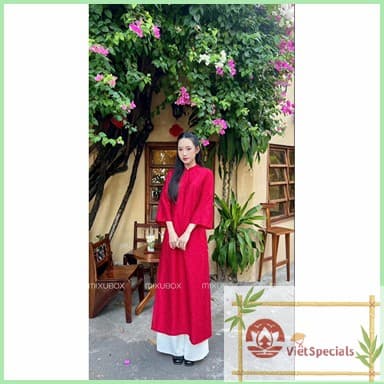
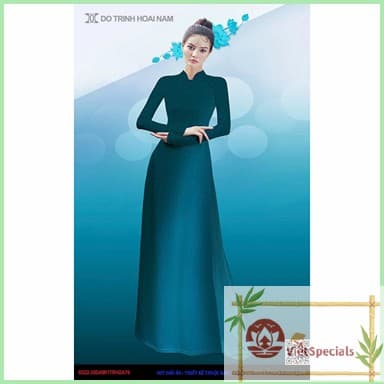
The ao dai's historical lineage dates back to the early 18th century, evolving through dynastic and colonial influences that have shaped its silhouette and symbolism. Traditional ao dai typically embody a high-collared, long-sleeved tunic worn over silk trousers, emphasizing modesty and elegance. Contemporary design practices retain these canonical elements while incorporating modernist aesthetics such as asymmetry, varied sleeve architectures, and alternative neckline cuts, all of which signal a departure from rigid conventions. This evolution is driven by consumer demand for garments that are both emblematic of cultural identity and adaptable to modern lifestyles.
Structural Innovations and Silhouette Modifications
The modern ao dai frequently incorporates tailored alterations to enhance both functionality and silhouette dynamics. A number of designers have experimented with fabric layering, pleating techniques, and strategic cutouts that maintain the structural integrity of the garment while providing improved mobility. Adjustments in panel lengths and strategic side slits allow for ease of movement without compromising the garment's traditional elongation effect. These innovations also address ergonomic considerations, such as accommodating diverse body types and contemporary posture trends, thereby expanding the ao dai's applicability beyond ceremonial or formal settings.
Material Science and Textile Technologies
Advanced Fabric Selection and Performance Attributes
Material selection remains a critical determinant in the quality and applicability of modern ao dai designs. While silk remains a predominant fabric choice due to its luster and historical significance, contemporary manufacturing integrates a variety of performance textiles such as blended fibers that enhance stretchability, moisture-wicking capacity, and durability. The utilization of microfibers, bioengineered silks, and nanofiber-infused fabrics addresses the practical requirements of wearers, including climate adaptability and garment longevity. Furthermore, fabric treatments employing anti-wrinkle, UV-resistance, and colorfastness technologies contribute to maintaining visual appeal under diverse environmental conditions.
Innovations in Textile Production and Sustainability Considerations
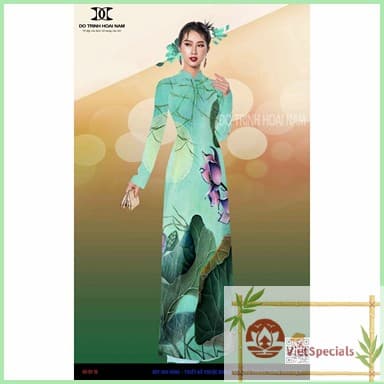
Recent advances in textile production techniques applied to ao dai manufacturing emphasize sustainability without sacrificing aesthetic and tactile qualities. Digital printing technologies facilitate intricate pattern customization with minimal fabric waste, while laser-cutting machinery refines precision in pattern outlines and seam detailing. Eco-conscious fibers, such as organic silk and recycled polyester blends, are increasingly incorporated to reduce environmental impact. These innovations resonate with global industry trends prioritizing ethical production and resource efficiency. Lifecycle assessments of modern ao dai garments now consider end-of-life recyclability and biodegradability, an emerging priority in garment design and manufacturing chains.
Customization and Digital Integration in Modern Ao Dai Production
Digital Patterning and Tailored Fit Processes
Digital patterning software enables designers and tailors to generate highly accurate garment templates that reflect individual body measurements, accommodating various anthropometric profiles. This technology reduces production errors and fabric waste, ensuring that modern ao dai attains a tailored precision that was traditionally labor-intensive. The integration of 3D body scanning and fit simulation further enhances customization, allowing for iterative adjustments before physical garment fabrication. Such precision drives higher consumer satisfaction and positions the ao dai as a premium garment with elevated craftsmanship standards.
Incorporation of Embroidery, Beading, and Smart Textiles
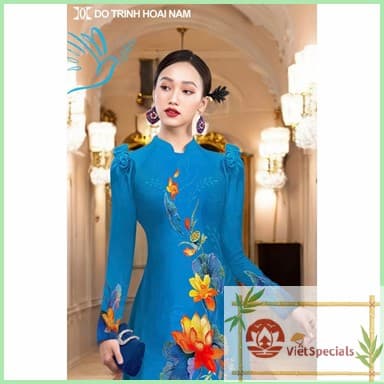
Modern ao dai frequently feature elaborate embellishments that merge traditional motifs with contemporary artistic expressions. Technological integration has expanded the possibilities for embroidery and beading through computer-controlled machines, allowing for complex, repeatable designs with consistent quality and reduced manual labor. Additionally, the nascent field of smart textiles has introduced functionalities such as thermoregulation and reactive color changes, which could be integrated into ao dai fabrics to enhance wearer comfort and interactivity. Although these applications are at an experimental stage, they highlight the potential trajectories for ao dai evolution in the context of wearable technology.
Modern Ao Dai in the Global Fashion and Cultural Context
International Recognition and Cross-Cultural Influence
The modern ao dai has transcended its geographic origins to become a symbol of cultural diplomacy and global fashion influence. International fashion shows, exhibitions, and academic discourse have elevated the garment's status, prompting collaborations with global designers and artists. The ao dai's adaptability renders it suitable for formal diplomacy contexts, international cultural festivals, and global celebrations, thereby enhancing its visibility and market demand. Cross-cultural design borrowings, including fusion with Western silhouettes and hybrid textile choices, underscore the ao dai's function as a dynamic cultural artifact subject to transnational reinterpretation.
Market Dynamics and Consumer Demographics
Consumer interest in modern ao dai is expanding beyond traditional Vietnamese diasporas to include globally dispersed fashion-forward clientele. The market dynamics are shaped by a combination of cultural pride, aesthetic appreciation, and practical considerations such as fabric technology and customization options. Emerging markets in Asia, Europe, and North America reveal a growing niche segment for culturally rooted yet modernized ethnic wear. Consequently, manufacturers and designers must navigate complex consumer behavior patterns while balancing authenticity and innovation to sustain competitive advantage in this increasing niche.
Expert Analysis & FAQ
How do modern manufacturing techniques impact the cultural authenticity of the ao dai?
Modern manufacturing techniques, including digital patterning and machine embroidery, enhance production efficiency and garment precision but may challenge traditional handcrafted aesthetics. However, these technologies can coexist with cultural authenticity when applied thoughtfully, preserving core design elements while improving consistency and accessibility. The balance depends on the extent to which artisans and designers retain interpretive control over motifs and structural identity.
What role does sustainability play in the evolution of modern ao dai materials?
Sustainability is increasingly pivotal due to environmental concerns associated with textile production. Incorporating organic fibers, recycled materials, and low-impact dyeing processes addresses ecological footprints. Additionally, sustainable design extends garment lifecycles through durable materials and facilitates end-of-life biodegradability or recyclability, contributing to circular economy objectives within the fashion industry.
Can smart textiles be feasibly integrated into ao dai for everyday wear?
Smart textiles with functionalities such as temperature regulation or moisture management have technical feasibility for integration into ao dai fabrics. However, widespread adoption remains limited by cost, user acceptance, and durability challenges. The bespoke nature of ao dai allows for pilot implementations in niche markets, potentially expanding as technology matures and consumer demand for functional fashion increases.
How does the modernization of ao dai influence its acceptance in formal vs. casual settings?
Modernization efforts, including silhouette alterations and material innovations, broaden the ao dai's applicability across formal and semi-formal domains. Traditional styles prevail in ceremonial and diplomatic contexts, while contemporary variants suit business casual and social events. This stratification enhances the garment's relevance without diluting its symbolic significance, provided modifications respect cultural symbolism and functional efficacy.