Reviving Tradition: Modern Ao Dai Cuoi in Vietnam
Nghia Tran
February 5, 2026 • 7 min read
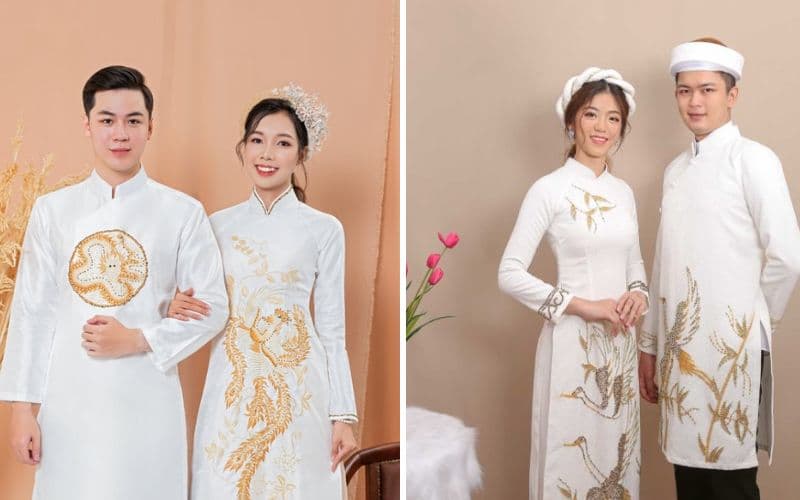
- Ao Dai Cuoi continues to be a critical symbol of Vietnamese cultural identity amidst modernization and globalization.
- Contemporary production of Ao Dai Cuoi integrates traditional craftsmanship with advanced textile technology, enhancing durability and aesthetic appeal.
- The industry faces challenges such as balancing cultural preservation with market-driven innovation and global fashion influences.
- Technological advancements in fabric development, including moisture-wicking and embedded embroidery tech, are driving evolution in modern Ao Dai Cuoi design.
- Governmental and institutional efforts in cultural heritage promotion are pivotal in sustaining Ao Dai Cuoi's relevance both domestically and internationally.
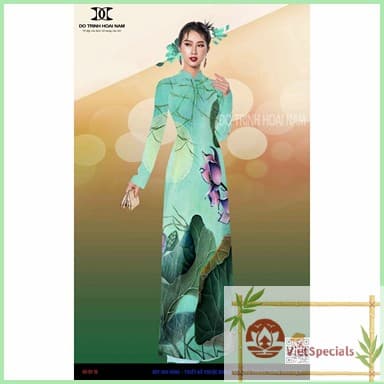
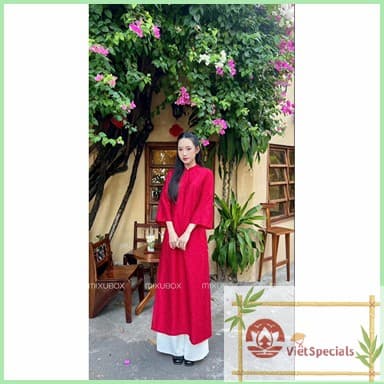
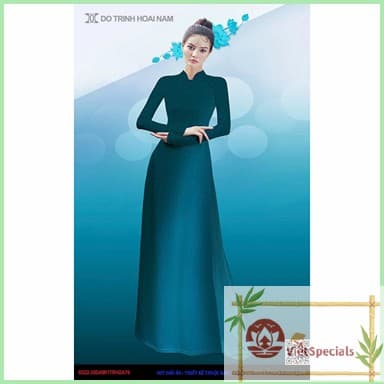
The Ao Dai Cuoi, traditionally viewed as the quintessential Vietnamese wedding garment, embodies a complex interweaving of cultural heritage, artistry, and social symbolism. Its evolution over recent decades reflects broader trends in Vietnam's textile industry, societal expectations, and technological progress. The garment's revival and modernization signify more than aesthetic transformation; they highlight a dynamic negotiation between preserving indigenous identity and adapting to contemporary global fashion dynamics.
Historical and Cultural Significance of Ao Dai Cuoi
Origins and Traditional Elements
The Ao Dai traditionally consists of a long tunic with side slits extending above the waist, worn over trousers. Historically, its stylistic roots emerge from the Nguyễn dynasty era, where court attire influenced the dress's silhouette and fabric choices. The Ao Dai Cuoi, specifically the wedding iteration, has been traditionally crafted from luxurious materials such as silk and brocade, often embellished with intricate embroidery symbolic of prosperity, fidelity, and auspiciousness.
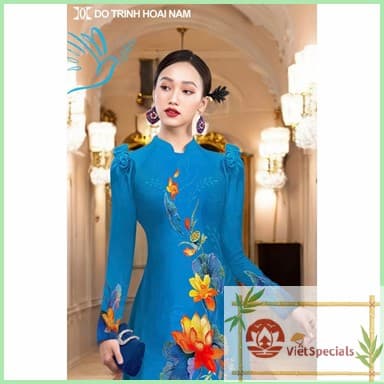
Culturally, the Ao Dai Cuoi operates as a tangible marker of social rites and gender norms within Vietnamese society. The sophisticated cut underscores feminine elegance and modesty, integral to matrimonial ceremonies and associated ritualistic performances. Embroidered motifs—dragons, phoenixes, lotus flowers—utilize iconography reflective of paralleled Confucian values and Taoist beliefs, rendering the attire a conduit of ancestral narratives.
Societal Position and Evolution Over Time
During periods of colonization and political upheaval, the Ao Dai's prominence fluctuated, reflecting shifts in social hierarchy and identity assertion. Post-1975 unification and capitalist reforms reintroduced modifications to the garment's design and usage patterns, stimulating a renaissance in localized textile production and fashion innovation. Contemporary bridal Ao Dai Cuoi are no longer confined to conventional forms, being subject to reinterpretations informed by international aesthetics and functional preferences.
This trajectory illustrates a complex dialectic wherein the Ao Dai Cuoi serves both as a symbol of national pride and an adaptable cultural artifact. Its persistent relevance within Vietnamese weddings substantiates its role as a performing tradition, adaptable to shifting socio-economic and cultural landscapes while maintaining core indigenous signifiers.
Technical Advancements in Ao Dai Cuoi Production
Textile Innovations and Functional Enhancements
Cutting-edge textile technology has been increasingly incorporated into Ao Dai Cuoi production, transforming traditional practices while maintaining artisanal quality. High-performance synthetic blends now complement natural silks to improve durability, wrinkle resistance, and maintenance ease. Key innovations include:
- Use of moisture-wicking and breathable fabric composites to enhance wearer comfort in Vietnam's tropical climate.
- Integration of nanotechnology treatments to impart stain resistance and UV protection capabilities.
- Advanced embroidery techniques employing computerized machines that allow precision detailing without compromising handmade aesthetics.
- Application of lightweight, thermo-regulating textile layers to balance temperature and humidity control.
These technical augmentations not only optimize garment longevity but also improve functional performance during extended wedding ceremonies, which traditionally involve multiple phases and outdoor components.
Design Methodologies and Production Techniques
The production lifecycle of modern Ao Dai Cuoi has evolved to encompass both handcrafted and semi-automated processes strategically integrated to balance creative fidelity and scalable manufacturing. Key phases include:
- Conceptual Design: Incorporating culturally resonant motifs with current fashion trends, guided by ethnographic research and consumer analytics.
- Material Selection: Blending traditional silk with engineered fabrics to optimize texture and performance.
- Pattern Drafting: Precise measurements facilitated by digital body scanning to ensure customized fit.
- Embroidery and Embellishment: A hybrid approach synthesizes machine precision with manual finishing to ensure uniqueness.
- Assembly and Quality Testing: Emphasizing seam durability and color fastness, with advanced microstructural inspections.
Advancements in CAD (Computer-Aided Design) software now facilitate rapid prototyping and virtual fitting sessions, reducing lead times and material waste. Consequently, the modern Ao Dai Cuoi production reflects an intersection of cultural heritage and manufacturing efficiency.
Market Dynamics and Global Influence
Domestic Market Trends
The Vietnamese domestic bridal garment market is characterized by a nuanced demand spectrum, ranging from conservative traditionalists to avant-garde consumers who prioritize innovation. This duality imposes challenges and opportunities on producers attempting to maintain cultural authenticity while appealing to a growing youth demographic influenced by international fashion currents.
Key market drivers include increasing urbanization, rising disposable incomes, and the proliferation of social media platforms that disseminate new stylistic interpretations rapidly. The economic liberalization in Vietnam has also fostered the emergence of boutique ateliers and designers focused on Ao Dai Cuoi, often leveraging e-commerce to expand reach beyond metropolitan centers.
International Presence and Cultural Diplomacy
Internationally, the Ao Dai Cuoi functions as a cultural ambassador, representing Vietnamese heritage in diasporic communities and global fashion circuits. Collaborative ventures between Vietnamese designers and international fashion houses are increasingly common, facilitating cross-cultural exchanges and elevating the garment's profile.
Cultural diplomacy initiatives by government bodies often employ Ao Dai showcases during global exhibitions and state visits to enhance Vietnam's cultural soft power. Simultaneously, the global fashion industry's growing emphasis on sustainability and artisanal craftsmanship aligns with the Ao Dai Cuoi's narrative, potentially augmenting its market appeal globally.
Preservation Challenges and Future Prospects
Cultural Preservation Concerns
While modernization introduces valuable innovations, it simultaneously risks diluting the Ao Dai Cuoi's traditional symbolism. Commercial pressures may encourage homogenization or commodification that undermines artisanal complexity and local community sustenance. Furthermore, generational shifts question the garment's relevance as contemporary lifestyles evolve toward casualization and rapid fashion cycles.
Institutional efforts focusing on documentation, artisan training, and intellectual property protection are critical countermeasures supporting authentic Ao Dai Cuoi heritage. These include:
- Ethnographic cataloging of traditional motifs and regional variations.
- Workshops fostering generational knowledge transfer among craftspeople.
- Legal frameworks to protect design patents and cultural heritage rights.
Innovation as a Vector for Sustainability
Embracing innovation is essential for the Ao Dai Cuoi's sustainability amid competitive fashion markets. Integrating biodegradable textile materials and environmentally conscious dyeing processes responds to global eco-conscious consumer behavior. Additionally, modular Ao Dai designs allowing multi-seasonal use or mix-and-match components exemplify adaptive reuse principles.
Research into smart textiles—such as temperature-adaptive fabrics or embedded illumination—provides further avenues to expand the Ao Dai Cuoi's functionality without eroding its cultural framework. Collaboration between textile engineers, designers, and cultural historians will be paramount in orchestrating these advances responsibly.
Expert Analysis & FAQ
What are the primary challenges in balancing traditional elements with modern design in Ao Dai Cuoi production?
The foremost challenge involves preserving culturally significant motifs and garment construction while integrating technological advancements and contemporary aesthetics. This balance requires multidisciplinary collaboration to ensure innovation does not compromise symbolic integrity. Additionally, consumer preferences vary widely; catering to both traditional and modern sensibilities without alienating either segment demands strategic product differentiation and sensitive design choices.
How has textile technology impacted the functional performance of Ao Dai Cuoi?
Textile technology has enhanced Ao Dai Cuoi by introducing fabrics that improve comfort, durability, and maintenance. Innovations such as moisture-wicking fibers address the thermal discomfort inherent to traditional silks in humid climates. Nanocoatings improve stain resistance, reducing the need for frequent cleaning, which preserves fabric quality. Moreover, embroidery mechanization increases production precision and scalability, while maintaining intricate craftsmanship.
In what ways does Ao Dai Cuoi contribute to Vietnam's cultural diplomacy efforts?
Ao Dai Cuoi serves as a visible emblem of Vietnamese identity in international forums, facilitating cross-cultural understanding. During state visits and cultural exhibitions, the garment showcases Vietnam's artisanal heritage and evolving fashion industry. Its prominence in diasporic communities strengthens transnational cultural connections, enhancing the country's soft power. Moreover, collaboration with international designers projects a contemporary image, positioning Vietnam as an innovative yet tradition-respecting player in global fashion.
What sustainable practices are emerging in Ao Dai Cuoi production, and how might they shape its future?
Sustainable practices include the utilization of organic silk, eco-friendly dyeing techniques, and the incorporation of recycled textiles to reduce environmental impact. Design strategies emphasizing modularity and multifunctionality encourage longer garment lifespan and reduced waste. Emerging smart fabrics capable of adaptive responses to environmental conditions may further extend usability. Adoption of these practices aligns Ao Dai Cuoi with global sustainability trends, potentially broadening its appeal and ensuring its viability in future markets.