Reviving Tradition: Ao Dai Cuoi Vietnam for Modern Weddings
Nghia Tran
January 23, 2026 • 7 min read
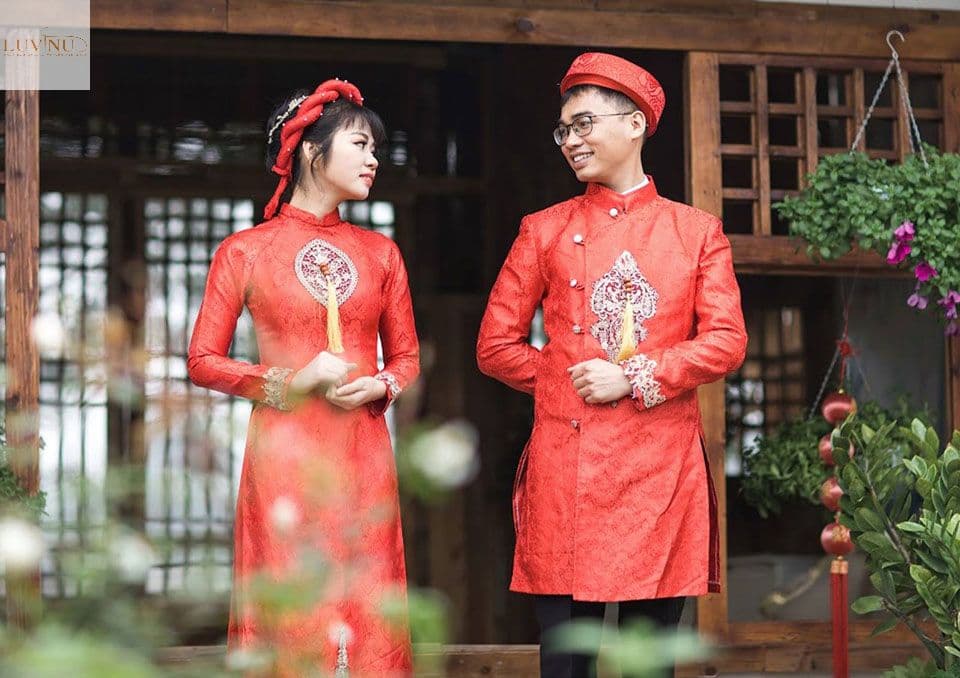
- Ao dai cuoi Vietnam represents a significant cultural artifact that merges traditional aesthetics with contemporary textile technology innovatively.
- The resurgence in ao dai usage at weddings reflects a broader global trend towards cultural heritage preservation amid modernization pressures.
- Material innovation and ergonomic tailoring techniques have enhanced the manufacturability and wearability of the ao dai cuoi.
- Global diasporic communities and digital platforms play a crucial role in expanding the ao dai cuoi's symbolic and commercial footprint internationally.
- Systematic analysis of ao dai cuoi design reveals its impact on cultural identity reinforcement and fashion industry dynamics within and beyond Vietnam.
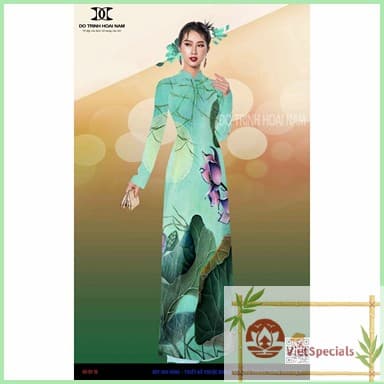
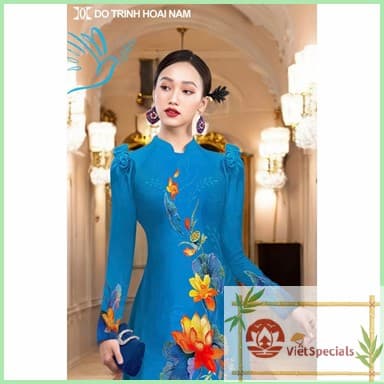
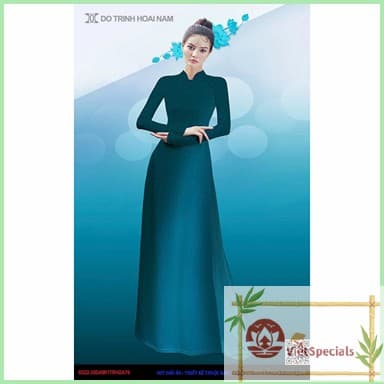
The ao dai cuoi, the traditional Vietnamese wedding dress, occupies a unique position at the intersection of heritage preservation and modern wedding fashion. Historically entrenched in Vietnamese culture, this garment has undergone significant transformation, propelled by evolving socio-cultural contexts and advances in textile engineering. Modernization of the ao dai cuoi embodies a deliberate synthesis of traditional design principles and contemporary demands for comfort, functionality, and aesthetic innovation. This editorial dissects the multifaceted dimensions of this trend, illustrating how the garment not only functions as a fashionable wedding attire but also serves as a medium for cultural diplomacy on a global scale.
Historical and Cultural Context of Ao Dai Cuoi Vietnam
Origins and Evolution
The genesis of the ao dai can be traced back to the Nguyễn Dynasty (1802–1945), where the initial prototypes emphasized modesty and structured silhouettes. Its evolution reflects nuanced influences ranging from indigenous Vietnamese sensibilities to French colonial sartorial interventions. Ao dai cuoi, specifically, historically signified marital sanctity, symbolizing femininity, purity, and social status. Over the centuries, its form underwent stylistic modifications, adjusting sleeve lengths, collar styles, and fabric choices in alignment with prevailing social mores. The late 20th century marked a revival period wherein the ao dai was recontextualized from everyday wear to a ceremonial emblem, particularly significant in nuptial settings.
Cultural Significance in Contemporary Vietnamese Society
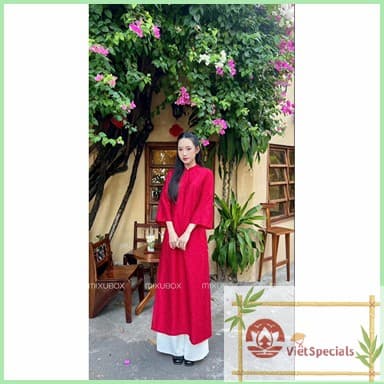
Contemporary Vietnamese weddings reflect a complex amalgamation of traditional symbolism and modern aspirations. Ao dai cuoi prominently features as a ritualistic garment, fostering intergenerational continuity and cultural reaffirmation. It embodies social values pertaining to familial respect, community identity, and national pride. The garment's color selection, often red or gold, is meticulously chosen based on auspicious connotations derived from Confucian and Buddhist cosmologies. In increasingly urbanized contexts, the ao dai cuoi has transcended mere ceremonial function to become a medium for artistic expression, facilitating dialogues about gender roles, national identity, and globalization.
Technical Aspects of Ao Dai Cuoi Production
Fabrication and Material Science
Materials utilized in crafting ao dai cuoi have witnessed significant advancement through the integration of synthetic fibers, silk blends, and innovative weaving techniques. Traditional hand-woven silk remains highly valued for its luster and texture; however, modern polyester-silk blends enhance durability and elasticity which are crucial for the garment's characteristic form-fitting silhouette. Technical considerations in fabric selection encompass factors such as tensile strength, breathability, and dye affinity, impacting both comfort and aesthetic integrity. Digital textile printing technologies enable intricate pattern reproduction with high precision, thereby expanding the creative possibilities without compromising fabric performance.
Tailoring Methodologies and Ergonomics
Highly specialized tailoring processes differentiate the modern ao dai cuoi from its historical antecedents. Precision pattern-making and computer-aided design (CAD) have optimized garment fit, accommodating diverse body anatomies while preserving iconic features such as the high collar and side slits. Ergonomic tailoring also addresses movement dynamics, facilitating comfort during extended wear typical in wedding ceremonies. Seam construction integrates reinforced stitching techniques to maintain structural integrity without sacrificing elegance. Additionally, modular design approaches permit customization, allowing brides to select elements ranging from sleeve type to collar height, effectively blending tradition with personalized styling.
Globalization and Market Dynamics
International Demand and Diasporic Influence
The Vietnamese diaspora has functioned as a vector for ao dai cuoi diffusion beyond national borders. In regions such as North America, Europe, and Australasia, Vietnamese communities have sustained and adapted wedding traditions, creating market segments that demand both authenticity and contemporary relevance. This transnational circulation of cultural apparel has catalyzed cross-cultural bridal exchanges, integrating the ao dai cuoi into global wedding fashion lexicons. Moreover, the expatriate engagement has incentivized mass production and quality standardization, contributing to the garment's commercial scalability on an international scale.
Digital Platforms and Cultural Heritage Preservation
The advent of digital communication tools and e-commerce platforms has revolutionized the dissemination and commodification of ao dai cuoi. Online marketplaces enable artisanal designers and manufacturers to reach niche consumers worldwide, facilitating knowledge exchange about design history and tailoring techniques. Social media channels propagate visual narratives that emphasize the garment's cultural symbolism, engendering awareness and demand among younger generations. This digital engagement is vital in counterbalancing the localized risk of cultural erosion due to rapid modernization, ensuring the ongoing vitality of ao dai cuoi traditions within both domestic and global contexts.
Future Outlook and Industry Implications
Innovations in Sustainable Textile Practices
As the global fashion industry pivots towards sustainability, ao dai cuoi production is increasingly incorporating eco-friendly materials and ethical labor practices. Research into organic silk cultivation, biodegradable synthetic fibers, and zero-waste patterning is gaining traction among Vietnamese manufacturers aiming to reduce environmental footprint. Lifecycle assessment methodologies are being implemented to evaluate impact from raw material procurement to garment end-of-life, promoting circular economy principles within the ao dai cuoi segment. These sustainability imperatives align with the garment's cultural ethos, fostering a holistic approach that balances tradition, innovation, and ecological responsibility.
Integration of Smart Textiles and Wearable Technologies
Emerging technologies in smart textiles offer prospective enhancements to ao dai cuoi, integrating functionalities such as moisture regulation, temperature control, and bio-sensor embedding without compromising aesthetic standards. Sensor-enabled fabrics can monitor physiological parameters, providing comfort optimization tailored for the prolonged durations of wedding ceremonies. Though still nascent, the fusion of traditional garment design with wearable technologies exemplifies a frontier for research and commercial development, potentially positioning ao dai cuoi within the ambit of next-generation cultural apparel innovation.
Expert Analysis & FAQ
Q1: How does the ao dai cuoi balance traditional symbolism with modern design innovations?
The ao dai cuoi maintains its traditional symbolism through adherence to culturally significant design elements such as the mandarin collar, fitted bodice, and auspicious color schemes traditionally associated with marriage rites. Modern design innovations introduce ergonomic tailoring and advanced fabric technologies which enhance comfort and customization without detracting from symbolic motifs. This balance is achieved through iterative design processes that consult cultural historians, fashion technologists, and consumers, ensuring that modernization enhances rather than dilutes the garment's cultural resonance.
Q2: What are the key technological advancements in fabric production impacting ao dai cuoi?
Key advancements include the development of high-performance silk blends that improve durability and elasticity, digital textile printing methods enabling complex and precise patterning, and sustainable fiber production techniques reducing environmental impact. Moreover, innovations in dye fixation technologies have enhanced colorfastness, essential for the longevity of wedding garments typically subjected to rigorous usage. These technological strides collectively elevate the functional and aesthetic qualities of ao dai cuoi fabric without undermining its traditional appeal.
Q3: In what ways has globalization affected the commercial distribution of ao dai cuoi?
Globalization has expanded commercial distribution by creating diasporic markets hungry for cultural authenticity blended with contemporary suitability. It has exposed the ao dai cuoi to cross-cultural consumption patterns and fashion industry partnerships beyond Vietnam's borders. Digital commerce platforms facilitate direct-to-consumer sales, helping small-scale producers achieve international reach and scale economies. Consequently, globalization has increased demand, encouraged quality improvements, and diversified design trends while positioning ao dai cuoi as a symbol of Vietnamese cultural heritage worldwide.
Q4: What potential does wearable technology integration hold for the future of ao dai cuoi?
The integration of wearable technology in ao dai cuoi offers exceptional potential to augment wearer comfort and garment functionality during long wedding ceremonies. Smart textiles can provide adaptive thermal regulation and real-time biometric feedback, minimizing discomfort and enhancing wearer experience. Furthermore, embedded technologies could facilitate novel interactive wedding customs and personalized aesthetics through light or color modulation. While still exploratory, this fusion represents an important research trajectory aligning cultural apparel preservation with contemporary technological innovation.