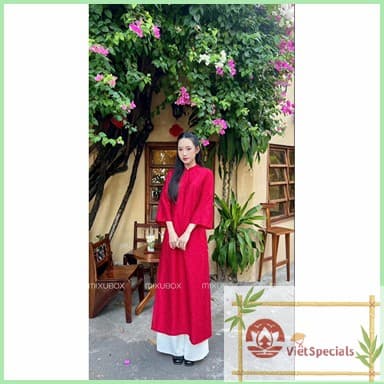
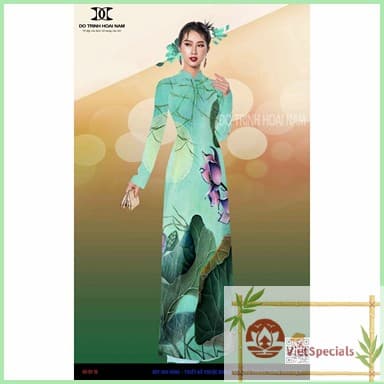
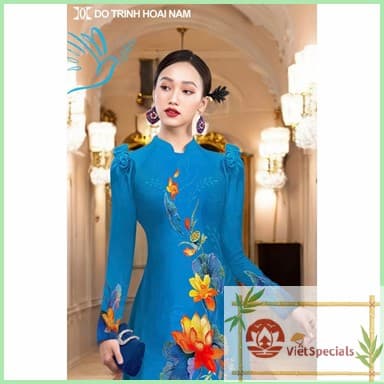
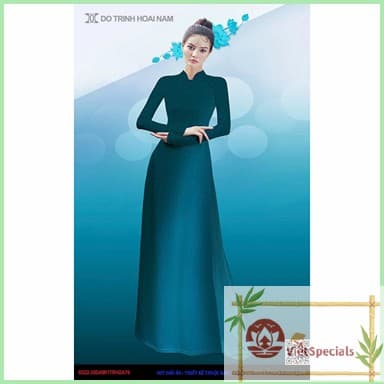
Reviving Tradition: The Modern Ao Dai Reimagined
Nghia Tran
February 5, 2026 • 6 min read

- The modern ao dai embodies the convergence of heritage and contemporary design through innovations in textiles and tailoring.
- Technological advancements in fabric engineering have expanded the functionality and aesthetic appeal of the ao dai.
- Globalization and digitalization play pivotal roles in the dissemination, adaptation, and commercial revitalization of the ao dai internationally.
- The synthesis of sustainability principles with traditional craftsmanship is redefining the ao dai's future within ethical fashion paradigms.
- Cross-disciplinary collaborations between designers, material scientists, and cultural historians are essential to preserving ao dai's cultural significance while promoting innovation.
The ao dai, traditionally recognized as the quintessential Vietnamese garment, has undergone a renaissance driven by multifactorial influences, including technological innovation, cross-cultural integration, and evolving social dynamics. This editorial offers a comprehensive exploration of how the modern ao dai has been reimagined to reconcile its cultural heritage with contemporary fashion imperatives. Through analyzing textile advancements, production methodologies, and the socio-economic factors underpinning its resurgence, this piece provides industry professionals and academics a data-driven perspective on evolving traditional garment forms in a globalized context.
Technological Innovations in Fabric and Design
Advanced Textile Engineering and Material Science
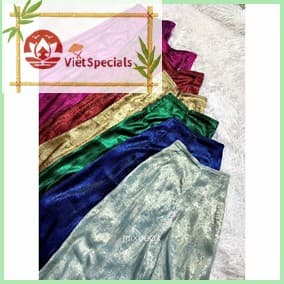
Recent developments in textile technology have been instrumental in transforming the modern ao dai from a ceremonial garment into a wearable piece for diverse contexts. Innovations such as moisture-wicking fibers, bi-elastic textiles, and smart fabrics with embedded functionalities enhance wearer comfort and garment durability. For instance, the integration of silk blends with synthetic polymers yields fabrics that maintain traditional silk's luster and drape while improving tensile strength and crease resistance. Additionally, nano-coating treatments provide anti-stain and UV-protection properties, addressing practical needs for outdoor and urban environments. These material adaptations are critical in expanding the wearability and market appeal of the ao dai beyond conventional settings.
Digital Design and Precision Tailoring Techniques
The intersection of digital design technologies and precision tailoring has radically refined ao dai production methodologies. Computer-aided design (CAD) systems facilitate the creation of complex pattern architectures that align with the garment's distinctive silhouette and body-conforming cuts. Laser cutting technologies ensure consistent pattern replication and minimize material waste during production, supporting sustainable manufacturing practices. Moreover, 3D body scanning and parametric customization tools enable bespoke tailoring, yielding garments that accommodate diverse body morphologies and personal stylistic preferences. This technological integration democratizes ao dai access, optimizing fit and aesthetic impact across demographic variations.
Globalization and Cultural Integration
International Dissemination and Cross-Cultural Exchanges
The global diffusion of the ao dai has been facilitated by Asian diaspora communities and digital platforms that disseminate Vietnamese cultural artifacts internationally. This cultural export has catalyzed intercultural collaborations where traditional Vietnamese motifs merge with design elements from other regions, reflecting hybridized identities and aesthetic interpretations. Such exchanges are visible in runway collections and fashion exhibitions that contextualize the ao dai within global haute couture narratives. However, globalization also introduces challenges related to cultural commodification, necessitating frameworks to preserve the garment's symbolic authenticity while embracing innovation.
Economic Dynamics and Market Positioning
In economic terms, the modern ao dai occupies a niche at the intersection of cultural heritage clothing and contemporary lifestyle apparel. Its increasing incorporation into corporate uniforms, celebratory attires, and fashion-forward wardrobes signals an expansion of commercial use cases. Market analyses indicate rising consumer awareness of artisanal value alongside demand for versatile garments that balance tradition and modern aesthetics. Emerging markets in Southeast Asia and diaspora hubs provide growth vectors, supported by e-commerce platforms that bypass traditional retail constraints. Strategic branding and intellectual property considerations are increasingly relevant as designers seek to protect indigenous design elements within international markets.
Sustainability and Ethical Implications
Integrating Sustainable Materials and Practices
The contemporary ao dai is increasingly evaluated through sustainability metrics reflecting the environmental impact of textile production and garment lifecycle. Biodegradable fibers sourced from organic silk, hemp, and bamboo have gained traction, aligned with ecological stewardship principles. Process improvements such as low-water dyeing technologies and closed-loop manufacturing systems have been adopted to reduce resource consumption and chemical waste. Furthermore, the revival of traditional hand-weaving and embroidery techniques promotes artisanal preservation while reducing reliance on mechanized mass production. Such practices contribute both to ecological sustainability and the socio-economic empowerment of local craftspeople.
Preserving Cultural Authenticity Through Ethical Fashion
Ethical considerations extend beyond materiality to include respect for cultural heritage and community agency. Collaborative design models that involve Vietnamese artisans and historians ensure that modernization efforts do not dilute the ao dai's symbolic heritage. Transparency in supply chains highlights fair labor conditions, while educational initiatives promote consumer awareness concerning garment provenance. These integrated approaches position the ao dai not merely as a fashion commodity but as a vessel of cultural continuity, differentiating it within the increasingly homogenized global fashion ecosystem.
Expert Analysis & FAQ
How do modern fabrication techniques reconcile with traditional ao dai aesthetics?
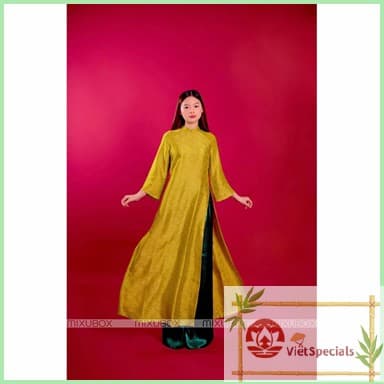
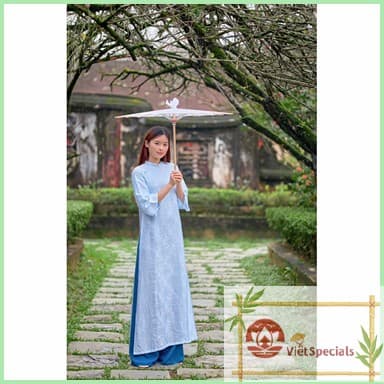
Modern fabrication techniques leverage advanced textiles and digital tailoring without compromising the quintessential silhouette and fluid contours characteristic of the ao dai. Precision cutting and innovative materials enable garments that retain the visual identity of the traditional ao dai while enhancing performance through elasticity, breathability, and durability. The balance is achieved by privileging design parameters anchored in cultural norms while employing scientific advancements to augment practical attributes.
What role does the modern ao dai play in global fashion discourse?
The modern ao dai functions as an emblem of cultural hybridity within global fashion, illustrating how localized traditions can adapt and participate in international sartorial dialogues. It challenges monolithic fashion systems by introducing indigenous aesthetics blended with contemporary design languages. This positioning affirms the ao dai as both a cultural artifact and a dynamic participant in evolving definitions of identity, craftsmanship, and innovation.
How is sustainability influencing the future production of ao dai garments?
Sustainability is central to the ao dai's future production models, with increased emphasis on eco-friendly fibers, ethical labor practices, and lifecycle considerations. The integration of sustainable methodologies ensures that the garment's cultural revival aligns with environmental imperatives, fostering responsible consumption patterns. This approach not only enhances market viability but also supports the preservation of traditional craftsmanship within ethical frameworks.
What challenges exist in balancing modernization with cultural preservation?
The principal challenge lies in innovating without eroding symbolic meanings embedded within the ao dai's form, motifs, and craftsmanship traditions. Over-commercialization risks cultural dilution, while insufficient innovation may render the garment obsolete in contemporary contexts. Sustainable modernization requires interdisciplinary collaboration, community engagement, and regulatory protections to maintain authenticity amid evolving fashion sensibilities.