Modern Cute Sass Twist on Ao Dai: A Tradition Revived
Nghia Tran
January 23, 2026 • 7 min read
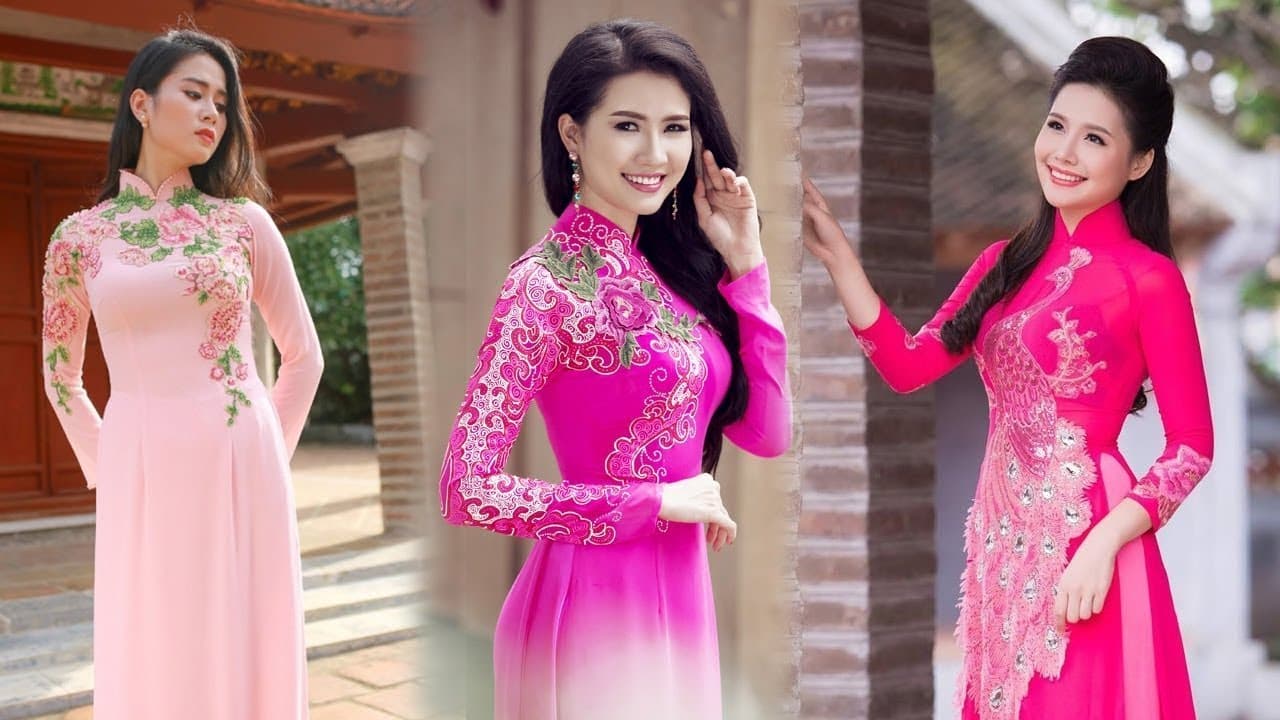
- Integration of playful aesthetics into traditional Ao Dai designs enhances global appeal while maintaining cultural authenticity.
- Technical innovations in fabric technology and garment construction facilitate both comfort and stylistic versatility in modern Ao Dai variants.
- Contemporary design adaptations reflect shifts in sociocultural dynamics and fashion consumption patterns across Southeast Asia and beyond.
- Systematic analysis of silhouette modifications reveals the evolving relationship between tradition and individual expression in Ao Dai iterations.
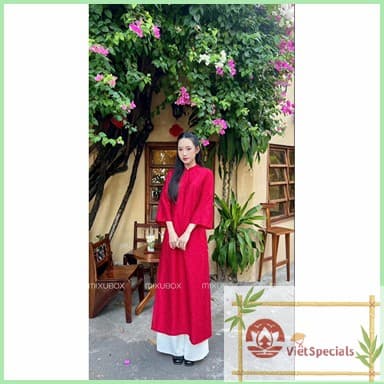
The Ao Dai, an emblematic garment of Vietnamese culture, has long been revered for its delicate balance of modesty, grace, and national identity. Traditionally characterized by a high-collared tunic set over trousers, it commands respect as a symbol of heritage and social decorum. However, in the context of dynamic global fashion movements and the incursion of youth subcultures, the garment has experienced a significant transformation. Specifically, the integration of "cute sass" elements into the Ao Dai manifests a nuanced revival: one that retains structural integrity while incorporating contemporary aesthetics aligned with millennial and Gen Z sensibilities.
Historical and Cultural Foundations of the Ao Dai
Origins and Evolution through Vietnamese History
The Ao Dai's genesis traces back to variations of court attire in the Nguyễn Dynasty, where attire symbolized status and ideological narratives. Over centuries, modifications occurred congruent with political shifts, colonial influences, and socio-economic transformations. By the mid-20th century, the Ao Dai had crystallized into the form most recognizable today, typified by a form-fitting, long tunic paired with wide-legged pants. This silhouette reflected a harmonization of indigenous traditions and French colonial aesthetics. In this foundational phase, the garment was a medium for cultural continuity, embodying formal elegance and national pride.
Socio-cultural Significance and Regional Variants
Across different Vietnamese regions, Ao Dai designs have exhibited subtle variations dictated by climate, local customs, and social roles. Northern designs tend to exhibit more conservative cuts, whereas southern interpretations often embrace lighter fabrics and more flexible silhouettes. These regional disparities underscore the garment's adaptability, which has allowed it to persist as an everyday functional garment and ceremonial attire within varying contexts. Understanding these attributes is crucial when analyzing the recent infusion of "cute sass" motifs, as new designs negotiate a space between tradition and innovation.
Technical and Material Innovations in Modern Ao Dai Design
Fabric Technologies and Advanced Textile Integration
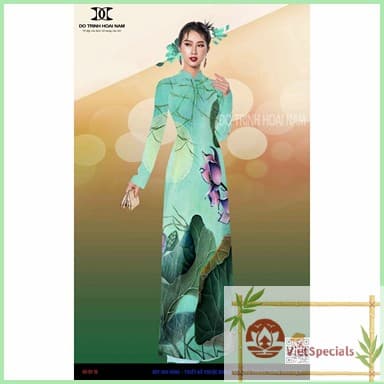
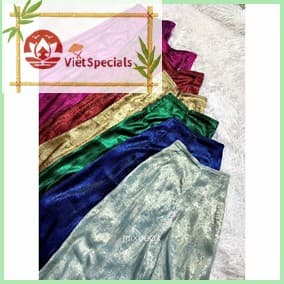
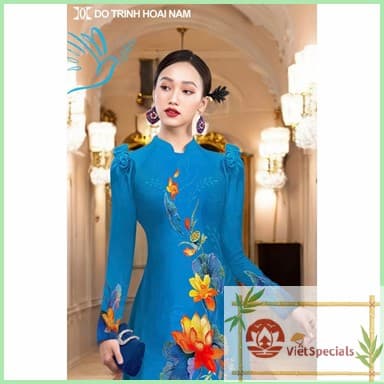
Modern iterations of the Ao Dai by cute sass incorporate advances in textile science, blending traditional silk and brocade with performance fabrics such as elastane-infused blends, high-permeability polyesters, and hybrid weaves. These materials enhance wearability by improving stretch, breathability, and durability—qualities previously constrained by conventional silks. Innovations in dye technology and digital printing also permit complex motifs and vibrant palettes, enabling designers to manifest the "cute sass" aesthetic through nuanced patterns and contemporary color schemes. The resultant garments facilitate a reconciliation of aesthetics and function that align with the demands of urban lifestyles.
Construction Techniques and Pattern Engineering
The complexity of Ao Dai tailoring necessitates precise pattern engineering to maintain the garment's iconic silhouette while incorporating playful stylistic elements. Structural adjustments include recalibrated shoulder seams, varied collar heights, and differentiated sleeve lengths that depart from rigid traditional constructs. The integration of layering techniques and asymmetrical panels introduces dynamic visual interest and movement. Patternmakers employ computer-aided design (CAD) systems for prototyping complex cuts that accommodate both traditional fit criteria and contemporary proportions favored by younger demographics. This approach ensures scalability and consistency across diverse production environments.
Contemporary Design Trends: The "Cute Sass" Paradigm
Defining the "Cute Sass" Aesthetic within Traditional Frameworks
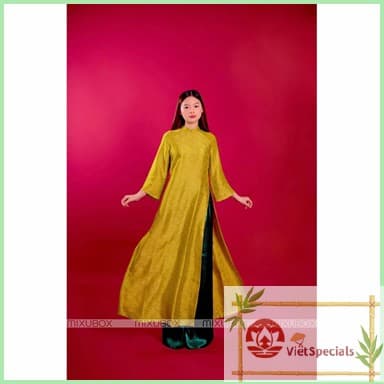
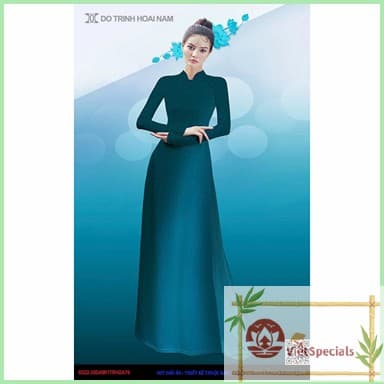
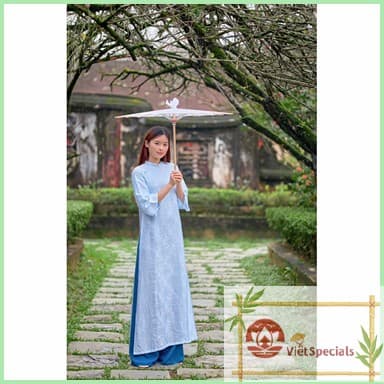
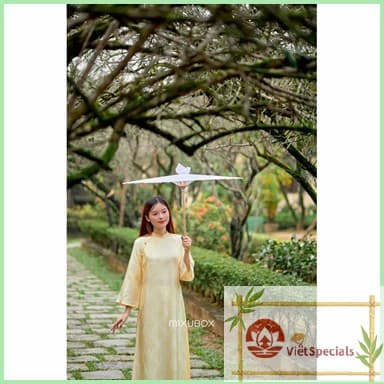
The "cute sass" dimension encompasses a stylistic infusion characterized by playful, irreverent elements that challenge traditional norms of solemnity and propriety in Ao Dai designs. This manifests through the use of pastel palettes, subtle embellishments like embroidered motifs inspired by pop culture, and the incorporation of textures such as lace or tulle overlays. Unlike historically somber iterations, these features introduce a youthful, self-expressive dimension that resonates with changing cultural values emphasizing individuality and sartorial experimentation. However, the essence of the Ao Dai—its form and cultural symbolism—remains intact, signifying a dialectic between innovation and reverence.
Market Dynamics and Consumer Reception
Market analyses reveal increasing demand for modern Ao Dai variants among younger Vietnamese consumers and diasporic communities globally. This demand is driven by a desire to engage with heritage in ways that reflect contemporary identities and lifestyle aspirations. Digital platforms have played a pivotal role in amplifying this trend by enabling niche designers to access broader audiences and customize designs. Moreover, the global fashion industry's growing interest in ethnic hybridization aligns with the ''cute sass'' Ao Dai trend, facilitating cross-cultural exchanges and commercial opportunities. The balancing act between mass production and artisanal craftsmanship remains a critical consideration in sustaining product quality and authenticity.
Technical Challenges and Industry Implications
Balancing Tradition and Innovation: Design Constraints
One fundamental challenge confronting designers implementing the cute sass twist lies in preserving the garment's iconic silhouette without compromising the cultural semantics it conveys. Deviations in line, fabric integrity, or construction risk alienating traditionalist consumers and eroding symbolic capital. Thus, iterative prototyping and user-focused design methodologies are employed to optimize parameters such as fit, fabric behavior, and embellishment scale. Industry stakeholders must also contend with the cost implications related to integrating novel materials and complex manufacturing steps, which affect scalability and price points.
Sustainability Considerations and Future Outlook
Given the increasing global emphasis on sustainable fashion, the Ao Dai sector is evaluating eco-friendly materials and processes. The adoption of organic silks, vegetable-based dyes, and zero-waste pattern cutting aligns with environmental stewardship objectives. Furthermore, the Ao Dai's inherently minimalist form factor predisposes it to adaptive reuse and longevity, countering fast fashion tendencies. Future trajectories suggest enhanced interdisciplinary collaboration involving textile engineers, cultural anthropologists, and fashion technologists to refine the cute sass Ao Dai, positioning it as a viable cultural artifact and commercial product within an ethically conscious global marketplace.
Expert Analysis & FAQ
What are the key technical innovations enabling the cute sass reinterpretation of Ao Dai?
Primary technical innovations include the integration of stretchable fabric blends that permit enhanced mobility, digital textile printing that enables intricate and vibrant graphics, and the use of CAD for precise tailoring adjustments. These advances allow designers to introduce novel aesthetic elements without disrupting the fundamental Ao Dai structure.
How does the cute sass approach affect cultural perceptions of the Ao Dai?
While introducing playful and youthful motifs, the cute sass approach maintains respect for the Ao Dai's cultural symbolism by preserving its silhouette and traditional construction principles. This cyclical negotiation facilitates broader acceptance, especially among younger demographics, reinforcing heritage through contemporary self-expression.
What sociocultural factors influence the adoption of modernized Ao Dai designs internationally?
The globalization of Vietnamese diaspora communities, increased representation in international media, and the rising ethical interest in culturally significant fashion in global markets have propelled adoption. Additionally, social media emphasizes individualized style narratives, incentivizing designers to innovate within the Ao Dai genre to captivate diverse audiences.
Can sustainability practices be effectively incorporated into the cute sass Ao Dai production?
Yes, sustainability can be integrated through the use of biodegradable materials, environmentally friendly dyes, and production methods minimizing waste. The Ao Dai's minimalist design inherently supports sustainability by enabling long-term use. However, scaling these practices requires coordinated supply chain management and consumer education to align expectations with sustainable consumption patterns.