Modern Renaissance of the Cheongsam: A Revival of Elegance
Nghia Tran
January 23, 2026 • 6 min read
- Global Fashion Dynamics: The cheongsam has re-emerged as a symbol of cultural hybridity, blending traditional motifs with modern silhouettes to capture international markets.
- Material Science Innovations: Advances in textile engineering have enabled cheongsam designers to incorporate functional fabrics that enhance comfort and durability without compromising aesthetic integrity.
- Heritage Preservation and Contemporary Adaptation: There exists a deliberate tension between maintaining historical authenticity and innovating design, which drives creative development within the cheongsam industry.
- Market Segmentation and Consumer Behavior: Segmentation by geography, occasion, and consumer demographics reflects diversified demand influencing production and marketing strategies.
- Sustainability and Ethical Manufacturing: Emerging eco-friendly practices and ethical labor standards are increasingly critical in the cheongsam production lifecycle, aligning with global industry trends.
The cheongsam, also known as the qipao, historically epitomizes East Asian sartorial elegance and cultural identity. Its re-emergence in modern fashion circles is not merely a nostalgic reclamation but an intricate interaction between heritage preservation, material science, and global consumer markets. As the 21st century progresses, understanding the multifaceted nature of the cheongsam's revival requires a critical evaluation of its evolving aesthetics, manufacturing technologies, and market positioning on the international stage.
Historical and Cultural Foundations of the Cheongsam
Origins and Evolution through Dynastic and Modern Eras
The cheongsam originated during the Qing dynasty, where it was initially a loose-fitting garment worn predominantly by Manchu women. Over centuries, it underwent significant transformations in form and function, particularly in the early 20th century when it acquired a slimmer, more tailored silhouette coinciding with Shanghai's cosmopolitan influence. This metamorphosis marked a paradigmatic shift from traditional loose robes to body-conscious elegance, reflecting broader societal currents such as urbanization, women's emancipation, and cross-cultural exchanges. Understanding this historical progression is critical to contextualizing contemporary reinventions of the cheongsam.
Symbolism and Cultural Significance
Beyond mere aesthetic appreciation, the cheongsam functions as a cultural artifact embodying identity, status, and aesthetics within Chinese society. Its use of intricate embroidery, symbolic patterns, and specific cuts imparts encoded meanings related to prosperity, femininity, and social hierarchy. Such semiotic dimensions inform modern reinterpretations that either uphold or subvert traditional iconography. The garment's global rise has simultaneously encouraged a more nuanced understanding of its symbolism, facilitating intercultural dialogue and production innovation.
Technological Innovations in Cheongsam Design and Manufacturing
Advanced Textile Technologies and Functional Fabrics
The modern revival of the cheongsam is underpinned by significant advances in textile engineering. Contemporary designers increasingly incorporate smart fabrics that provide stretchability, breathability, wrinkle resistance, and moisture-wicking properties. These technical enhancements address historical limitations of traditional silk and brocade textiles, which, while luxurious, constrain movement and longevity. The integration of synthetic-natural fiber blends and nanotechnology-based fabric treatments has revolutionized wearer experience without sacrificing the garment's characteristic sheen and texture.
Precision Tailoring and Computer-Aided Design
Precision engineering in garment construction, particularly through computer-aided design (CAD) and automated patterning, has elevated the consistency and scalability of cheongsam production. These technologies enable fine-tuned customization according to body morphology, facilitating personalized fits that accentuate the cheongsam's signature silhouette. Additionally, 3D body scanning and virtual prototyping reduce waste and expedite design iterations, thereby aligning manufacturing with sustainable practices and consumer expectations for bespoke apparel.
Market Dynamics and Industry Trends
Global Market Segmentation and Consumer Preferences
The contemporary cheongsam market is defined by segmented demand across diverse geographies, age cohorts, and usage occasions. While traditionally associated with ceremonial or formal wear within Chinese-speaking regions, today's consumer base extends internationally, encompassing fashion-forward demographics and diasporic communities seeking cultural connection. Market segmentation can be categorized by:
- Geography: East Asia, Southeast Asia, North America, Europe
- Usage: Formal events, casual reinterpretations, bridal wear
- Demographics: Traditionalists, millennials, younger Gen Z buyers
This segmentation informs product development cycles, pricing strategies, and marketing communications that cater to variable taste profiles and purchasing power.
Sustainability and Ethical Labor Considerations
Increasingly, sustainability concerns permeate the cheongsam production landscape. The environmental impact of traditional silk farming, dye processes, and labor-intensive embroidery necessitates adoption of greener alternatives. Industry leaders are implementing:
- Use of organic, low-impact dyes to reduce chemical effluents
- Recycling and upcycling of off-cut fabrics to mitigate textile waste
- Fair labor certification to ensure ethical craftsmanship and worker welfare
- Exploration of alternative materials such as bamboo fiber and lyocell blends
Such initiatives not only satisfy regulatory compliance in export markets but also resonate with environmentally conscious consumers, thus contributing to a sustainable model of cultural fashion preservation.
Design Trends and Contemporary Adaptations
Fusion of Traditional Elements with Modern Aesthetics
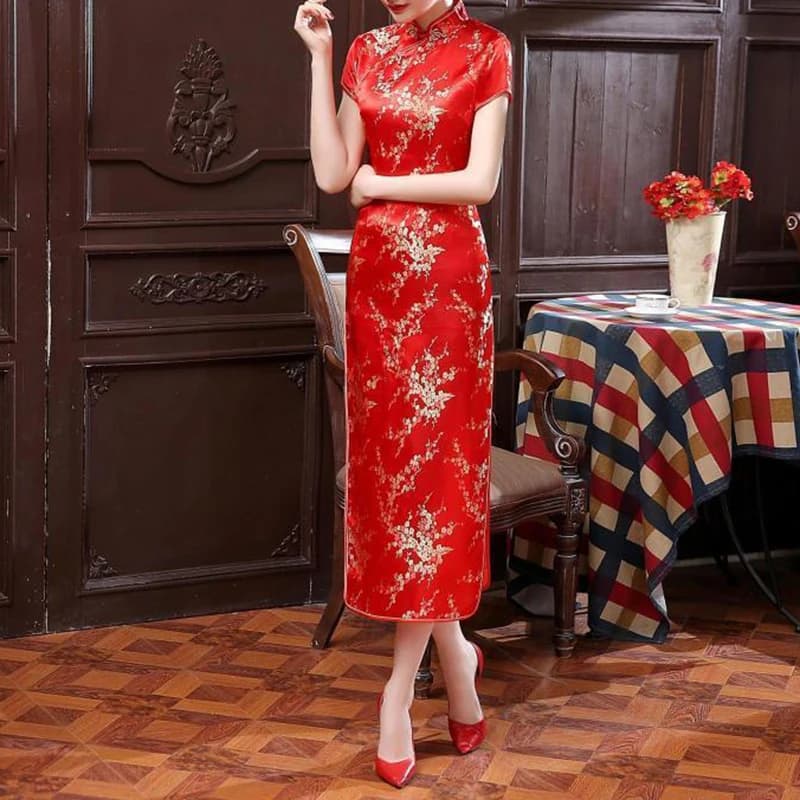
Contemporary cheongsam designers leverage a dialectic between fidelity to tradition and innovation. There is a sustained usage of hallmark features such as the mandarin collar, frog closures, and side slits, juxtaposed with experimental cuts, asymmetry, and fabric contrasts. Digitally printed motifs and minimalist embroidery supplant heavily embellished designs to reflect contemporary aesthetic minimalism and mass-market scalability. This fusion caters to a transnational clientele seeking cultural resonance alongside modern versatility.
Integration into Contemporary Wardrobes and Streetwear
The cheongsam's renaissance is also evidenced in its adoption beyond formal settings, permeating casual and streetwear contexts. Hybrid designs incorporate cheongsam elements into dresses, tops, and jumpsuits, while athleisure-inspired versions utilize stretch fabrics and relaxed fits. This expanded usage profile enhances the garment's market longevity and cultural relevance, positioning the cheongsam as a dynamic component in modern global fashion lexicons rather than a static ethnic costume.
Expert Analysis & FAQ
What are the primary challenges in modern cheongsam manufacturing?
The key challenges revolve around balancing traditional handcraft techniques with industrial scalability. Maintaining craftsmanship quality while integrating automation requires iterative process optimization. Furthermore, sourcing sustainable materials that meet both technical and aesthetic criteria presents logistical complexities. The garment's inherently tailored fit adds complexity to mass customization efforts, necessitating advanced body scanning and adaptive patterning.
How do advances in material science influence cheongsam wearability?
Material innovations have significantly enhanced comfort, durability, and garment maintenance. Incorporating stretch fibers and wrinkle-resistant finishes addresses prior constraints of silk and brocade, allowing a broader usage spectrum. Moisture-wicking and antimicrobial fabric treatments improve wearer hygiene and suitability for varying climates, thereby increasing the cheongsam's practicality without compromising traditional visual and tactile qualities.
In what ways has the global market influenced cheongsam design evolution?
Globalization has imposed heterogeneous demands on cheongsam designers, necessitating a balance between preserving culturally specific features and adapting to international consumer preferences. This has encouraged cross-cultural design experimentation and the inclusion of multinational production standards. Market differentiation strategies now emphasize narrative branding, ethical sourcing, and hybrid aesthetics to appeal to both ethnic identity seekers and global fashion consumers.
What role does sustainability play in the future of cheongsam production?
Sustainability is increasingly integral to production planning and material selection, aligning with global regulatory frameworks and consumer ethics. Sustainable practices mitigate environmental footprint and improve supply chain transparency. As consumer awareness grows, purchasing decisions are influenced by the ecological and social impact of garments, pushing manufacturers toward circular design principles and ethical labor compliance, which will shape the cheongsam's viability and cultural legacy going forward.