Explore Bat Trang Pottery Village: A Timeless Vietnamese Craft
Nghia Tran
February 5, 2026 • 7 min read

- Bat Trang Pottery Village exemplifies a sustainable ceramics production model that integrates traditional craftsmanship with modern technological adaptations.
- The geological composition of local clays significantly influences product quality, durability, and aesthetic characteristics.
- Advanced kiln-firing techniques and glazing methods increase efficiency while preserving cultural authenticity.
- Market dynamics reflect a transition from purely artisanal output towards scalable, high-quality exports, positioning Bat Trang competitively in the global ceramics industry.
- Continuous innovation in material science and design principles ensures the long-term viability of Bat Trang pottery within contemporary economic frameworks.
The Bat Trang pottery village represents a historic and contemporary confluence of artisanal expertise and scientific material utilization. Located near Hanoi, Vietnam, bat trang pottery village is renowned for its centuries-old ceramics tradition, characterized by unique production methodologies honed through both empirical knowledge and increasingly, scientific refinement. Understanding the intricate relationship between geological resources, production techniques, and evolving market demands is essential to appreciate the village's sustained prominence in the global ceramics sector. This analytical discourse examines the technical processes, material properties, cultural dimensions, and commercial strategies that define Bat Trang's ceramics industry.
Geological Foundations and Material Science of Bat Trang Ceramics
Geological Characteristics of Local Clays
The raw material foundation of Bat Trang pottery primarily involves distinctive clay deposits found in the Red River Delta region. These clays contain a combination of kaolinite, illite, and montmorillonite minerals, each imparting specific properties to the ceramic matrix. The mineralogy affects plasticity, drying behavior, shrinkage rate, and ultimate mechanical strength of the products. For instance, the high kaolinite content contributes to whiteness and hardness post-firing, while the mica and feldspar inclusions influence thermal expansion and color differentiation.
Comprehensive petrographic and X-ray diffraction analyses have confirmed that these composites enable the manufacture of ceramics exhibiting superior vitrification at relatively moderate kiln temperatures (900-1100°C). Such vitrification enhances imperviousness and resilience to chemical degradation, making Bat Trang ceramics especially suited for utilitarian and decorative purposes.
Clay Preparation and Processing Techniques
Raw clay undergoes multiple physical and chemical treatments prior to shaping. Initially, sedimentary impurities are removed through sedimentation tanks where coarse particulate matter separates naturally. Post-decantation, de-airing and levigation refine the particle size distribution, optimizing consistency for molding processes. The precise control of moisture content—typically maintained between 18-22%—ensures adequate plasticity, facilitating complex forms without cracking or deformation during drying.
Modern adaptations include mechanical pugmills and hydraulic presses that complement traditional hand-kneading, reducing labor intensity and variability in product quality. Quality control in this stage is critical since heterogeneity in clay preparation can propagate defects during firing, undermining structural integrity.
Production Techniques and Technological Integration
Shaping and Forming Methods
Artisanal methods such as wheel throwing remain dominant in Bat Trang pottery village, embodying a high degree of manual dexterity and nuanced control over form. The potter's wheel enables symmetrical vessels with variable wall thickness, essential for both aesthetic and functional optimization. In addition to wheel throwing, slip casting and press molding have been adopted selectively to meet higher output demands while maintaining quality thresholds.
The integration of Computer-Aided Design (CAD) for prototype development informs pattern consistency and product scalability without diluting artisanal nuances. This synthesis between traditional shaping and technological interfacing facilitates a spectrum of product categories ranging from common household wares to intricate artistic sculptures.
Kiln Technology and Firing Processes
Historically, coal-fired updraft kilns governed the thermal treatment of ceramics in Bat Trang. These kilns impose limitations on temperature uniformity and pollutant emissions. Recent transitions to gas-fired and electrically controlled kilns have enhanced thermal regulation, leading to uniform firing curves and reduced environmental footprint.
Typical firing cycles last 12-18 hours, incorporating stages of dehydration, binder burnout, and sintering. Controlled ramp rates and soak periods ensure elimination of residual water and organic compounds without inducing thermal shock. Innovations in kiln insulation materials and automation systems contribute to energy efficiency and reproducibility across production batches, which is imperative in scaling operations for export markets.
Glazing Techniques and Surface Treatment
Chemistry of Traditional and Modern Glazes
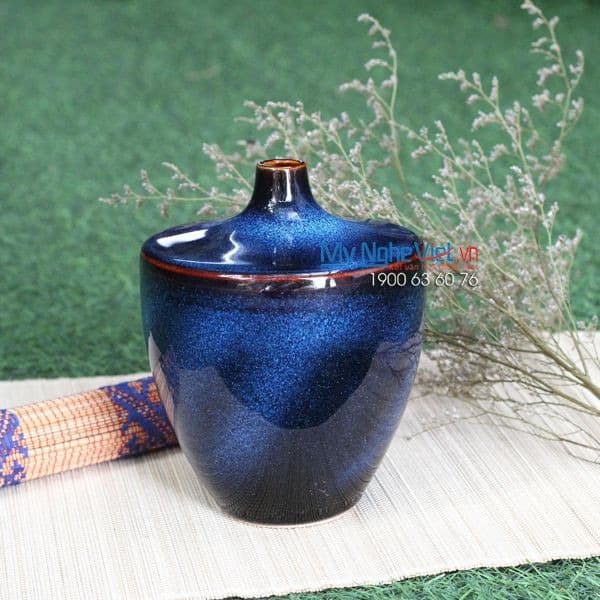
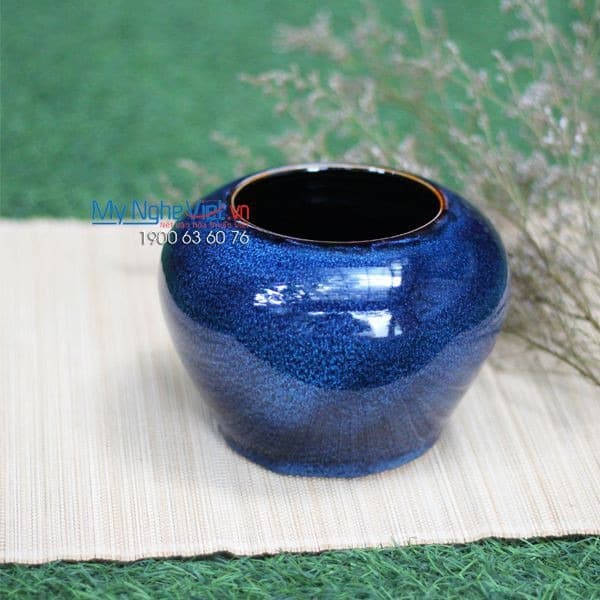
Bat Trang pottery village is known for its distinctive glazes, which are formulated from local minerals enriched with silica, alumina, fluxes (such as feldspar and potash), and metal oxides for coloration. The chemical composition influences characteristics such as gloss, opacity, and durability. Traditional celadon glazes, high in iron oxide content, yield the iconic soft green hues, whereas contemporary formulations incorporate cobalt, chromium, and manganese to diversify the palette.
Glaze application methods include dipping, brushing, and spraying, each affecting thickness and surface texture. Post-application, the glaze undergoes vitrification during firing, forming a glassy, non-porous surface crucial for impermeability and aesthetic appeal.
Quality Control and Defect Analysis
Surface and sub-surface defects such as crazing, pinholing, and blistering are common quality concerns. These result from mismatches in thermal expansion coefficients between glaze and ceramic body, impurities, or firing inconsistencies. Implementing rigorous quality control protocols involving visual inspection and non-destructive techniques such as ultrasonic testing helps identify flaws early in the production chain.
Recent incorporation of spectroscopic and thermal analysis tools informs iterative adjustments in glaze chemistry and firing parameters, minimizing rejects and elevating product reliability for both domestic and international clientele.
Market Dynamics and Cultural Significance
Global Competitiveness and Export Strategies
Bat Trang pottery village exhibits a dynamic evolution from localized artisanal production towards export-oriented manufacturing, facilitated by enhancements in product standardization and compliance with international safety regulations. The village's ceramics feature prominently within niche markets demanding handcrafted authenticity combined with functional durability.
Presence in global marketplaces such as Europe, North America, and East Asia is bolstered by competitive pricing, unique design aesthetics, and certification adherence including ISO quality management and food safety standards. Additionally, collaborations with design institutions have fostered innovation in product lines, aligning traditional motifs with contemporary consumer preferences.
Cultural Preservation Amid Industrialization
Despite economic modernization, Bat Trang pottery village maintains its intangible cultural heritage through preservation of traditional techniques and transmission of artisanal knowledge across generations. Government policies and cultural programs support apprenticeship systems and craft festivals, reinforcing the village's identity while enabling adaptive capacity in a rapidly changing industrial environment.
Balancing mechanization with handcrafted authenticity remains a critical challenge; however, it also presents opportunities for sustainable craft tourism and educational outreach, further embedding the ceramics sector within the socioeconomic fabric of Vietnam.
Expert Analysis & FAQ
What factors distinguish Bat Trang pottery from other regional ceramic traditions?
Bat Trang ceramics are distinguished by their specific clay mineralogy, which imparts superior mechanical strength and vitrification qualities at moderate firing temperatures. Additionally, the succession of handcrafting techniques, integration of unique glazing formulas, and the cultural perpetuation of traditional motifs collectively differentiate it from neighboring ceramics traditions. The synthesis of empirical artisanal knowledge with scientific optimization underpins the distinctiveness.
How do modern technological advancements impact the authenticity of Bat Trang pottery?
Technological advancements such as mechanized clay conditioning, kiln automation, and CAD-based design facilitate quality consistency and scalability. While there is potential for dilution of artisanal qualities, Bat Trang manufacturers typically implement technology to augment rather than replace traditional craftsmanship. This dual approach maintains cultural integrity while enabling economic viability in competitive markets.
What environmental considerations influence pottery production in Bat Trang?
Environmental concerns primarily address resource extraction impacts, air pollution from kiln emissions, and water usage during clay processing. Transitioning to cleaner fuel sources and energy-efficient kiln systems reduces carbon footprints. Sustainable clay sourcing practices and wastewater treatment advances also reflect growing ecological stewardship within the village's production ecosystem.
Can Bat Trang pottery compete sustainably in the global ceramics market?
Sustainability in global competition hinges on combining quality, cultural uniqueness, and environmental responsibility. Bat Trang's ability to innovate in material science and production techniques, while adhering to cultural heritage and environmental standards, positions it favorably. Strategic investments in research and international certification compliance enhance export potential and long-term market resilience.