Discover Bat Trang Pottery Village: Artistry Awaits
Nghia Tran
January 23, 2026 • 6 min read
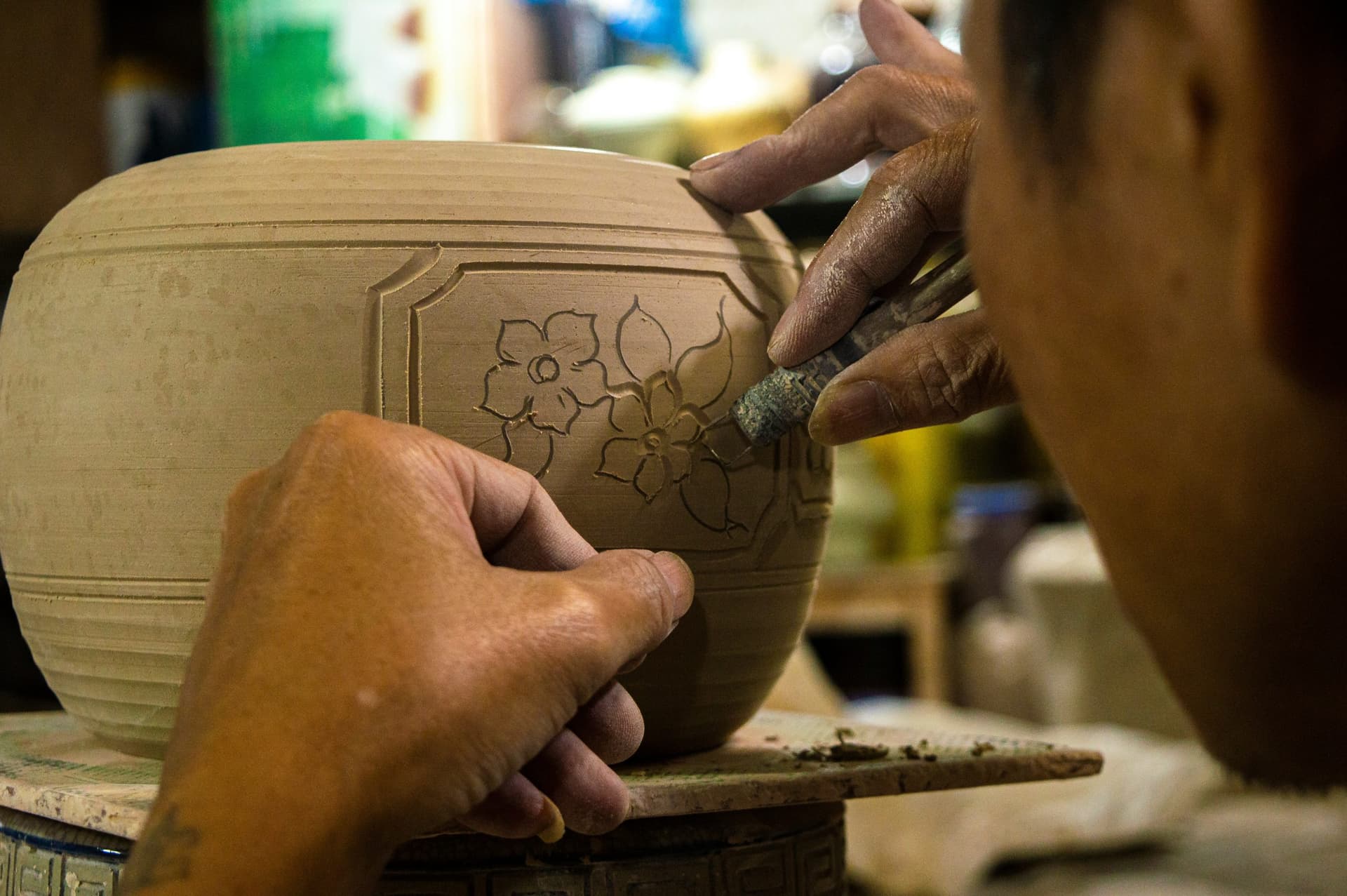
- Bat Trang Pottery Village represents one of the most significant hubs of traditional ceramic craftsmanship with continuous innovation in glazing and firing technologies.
- The geological composition of local clays contributes fundamentally to the distinctive durability and aesthetic qualities of Bat Trang ceramics.
- Scientific advancements in kiln engineering have enhanced production scalability while maintaining artisanal quality standards.
- Globalization has expanded Bat Trang pottery's market reach, necessitating adaptive production and design strategies aligned with international consumer preferences.
- The preservation of traditional techniques alongside technological integration ensures both cultural heritage continuity and competitive industrial positioning.
Bat Trang Pottery Village, situated in the Red River Delta region, has maintained its reputation for centuries as a pivotal locus for ceramic production. This village's pottery tradition, originating during the 14th century, exhibits a unique convergence of rich geological resources, skilled craftsmanship, and evolving technological methodologies, which collectively underpin its sustained industrial relevance. The intricate processes whereby raw materials are extracted, prepared, and transformed into finished ceramic products encompass an array of scientific and artisanal principles that warrant detailed examination within the broader framework of cultural heritage industries.
Geological and Material Composition of Bat Trang Pottery
Clays and Mineral Suitability
The foundational raw material for pottery in Bat Trang is the high-quality white clay, locally extracted from alluvial deposits along the Red River. The unique mineralogical profile of this clay, rich in kaolinite and mica, confers advantageous plasticity and workability properties crucial for shaping intricate ceramic forms. Moreover, the silica and alumina content within the clay matrix influences the thermal behavior during the firing process, impacting vitrification and resultant mechanical strength. This local resource endows Bat Trang ceramics with a resilience against cracking and thermal shock, distinguishing them within global ceramic classifications.
Additional Raw Materials and Their Functional Roles
In addition to primary clays, potters often integrate organic tempering agents and feldspar-based fluxes to modulate drying characteristics and firing temperatures. The deliberate inclusion of these additives aids in reducing shrinkage and minimizing warping during kiln firing. Flux materials lower the melting point of the ceramic body, ensuring densification without excessive energy expenditure, which represents an intersection of artisanal knowledge and scientific efficiency. The precision in balancing these constituents reflects a sophisticated empirical understanding passed down through generations, now supplemented by analytical techniques such as X-ray diffraction (XRD) and scanning electron microscopy (SEM) to optimize formulations.
Technological Processes and Innovations in Production
Pottery Shaping and Forming Techniques
Traditional Bat Trang pottery employs hand-throwing and mold-casting methods, each enabling distinct product profiles and production volumes. Wheel throwing facilitates bespoke and complexly contoured vessels, demanding dexterity and tactile feedback expertise. Conversely, mold casting allows for reproducibility and expedited output of standardized items, catering to mass-market demands. Recent integration of semi-automated potter's wheels and rotational molds enhances production efficiency without substantially diminishing artisanal characteristics. Quality control protocols are systematically applied post-formation to identify defects such as air bubbles and inconsistencies in thickness, which could compromise firing integrity.
Advancements in Glazing and Kiln Firing
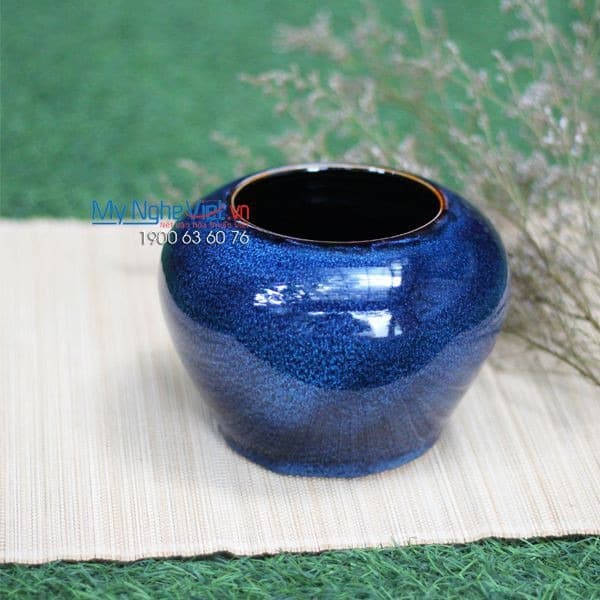
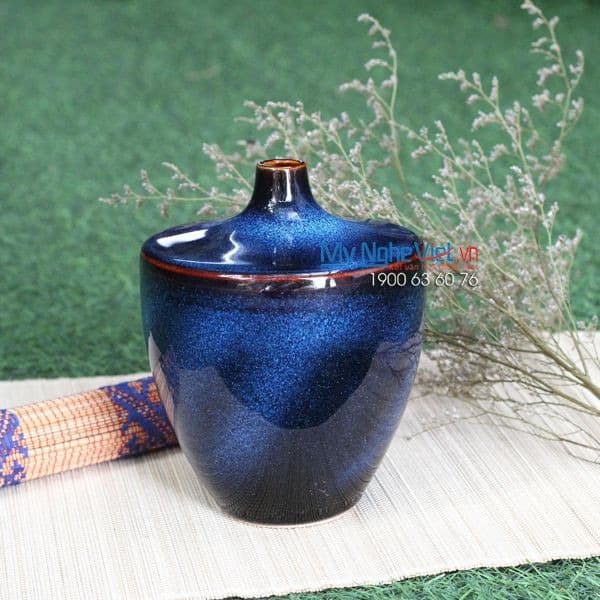
The glazing process in Bat Trang involves multi-layer applications of silicate and oxide compounds, carefully formulated to achieve specific colorations and textures. Innovations in glaze chemistry, informed by contemporary materials science, have introduced lead-free variants enhancing environmental safety while maintaining the visual appeal and durability of the ceramic surface. Kiln technology, historically reliant on wood-firing, has incorporated gas and electric kilns that permit precise temperature regulation, reducing firing cycle times and improving yield consistency. These technological upgrades align with international environmental standards and energy efficiency targets, balancing ecological considerations with production demands.
Market Dynamics and Cultural Heritage Preservation
International Demand and Export Strategies
Bat Trang pottery operates within a niche but globally recognized artisan market, where demand is driven by both aesthetic appreciation and functional utility. The village's products have penetrated diverse markets in Europe, North America, and Asia, necessitating adherence to varying regulatory frameworks including food safety and material composition standards. Export strategies emphasize certification compliance, provenance verification, and packaging innovations to maintain product integrity during international logistics. Market diversification efforts also encompass collaboration with designers to adapt traditional motifs for contemporary consumer preferences, thereby enhancing appeal across demographics.
Balancing Tradition with Industrial Modernization
Maintaining the integrity of Bat Trang pottery's traditional processes while integrating modern production techniques presents significant challenges and opportunities. Institutional initiatives promote knowledge transfer mechanisms that codify artisanal skills alongside technological upskilling. Documentation of traditional patterns and firing recipes ensures intellectual property protection and cultural perpetuation. Simultaneously, investments in research and development target process optimization and environmental footprint reduction. This dual focus is essential for sustaining Bat Trang's competitive advantages while honoring its cultural identity, securing its relevance within an increasingly homogenized global industrial context.
Expert Analysis & FAQ
Q1: How does the mineral composition of Bat Trang clay influence its thermal properties during firing?
The high kaolinite content combined with appropriate silica and alumina ratios enables Bat Trang clay to vitrify effectively at controlled kiln temperatures, approximately between 1200°C to 1300°C. This mineralogical balance reduces porosity and enhances mechanical strength while mitigating thermal shock risks that might cause cracking. The presence of mica additionally facilitates thermal expansion accommodation, providing dimensional stability during heating and cooling cycles.
Q2: What are the environmental implications of recent technological upgrades in Bat Trang's pottery production?
Transitioning from wood-fired to gas and electric kilns significantly reduces particulate emissions, deforestation pressures, and uncontrolled carbon output. The use of lead-free glazes addresses toxicological concerns related to heavy metal leaching. Moreover, energy-efficient kiln designs minimize fuel consumption and carbon footprints. Collectively, these advancements contribute to more sustainable production methodologies compatible with global environmental standards, although challenges remain in balancing artisanal authenticity with ecological compliance.
Q3: In what ways has globalization affected traditional Bat Trang pottery craftsmanship?
Globalization has exerted multifaceted impacts, including expanded market access and heightened competition from mass-produced ceramics. It has incentivized product innovation and adaptation to international tastes, sometimes at the expense of traditional design exclusivity. However, it also stimulates preservation efforts by creating demand for authentic handcrafted products with documented provenance. Global networks facilitate cross-cultural exchanges of techniques and materials while compelling producers to meet diverse regulatory and quality standards.
Q4: How does the integration of scientific analysis enhance the traditional pottery process in Bat Trang?
Scientific tools such as XRD and SEM enable detailed characterization of clay mineralogy and microstructural features, informing raw material selection and process parameters. Thermal analysis techniques (e.g., differential scanning calorimetry) optimize firing schedules to enhance product performance. Additionally, glaze formulation benefits from chemical analysis that guides non-toxic composition adjustments ensuring durability and aesthetics. This synergy between empirical tradition and scientific validation fosters production consistency and quality improvements without eroding artisanal distinctiveness.